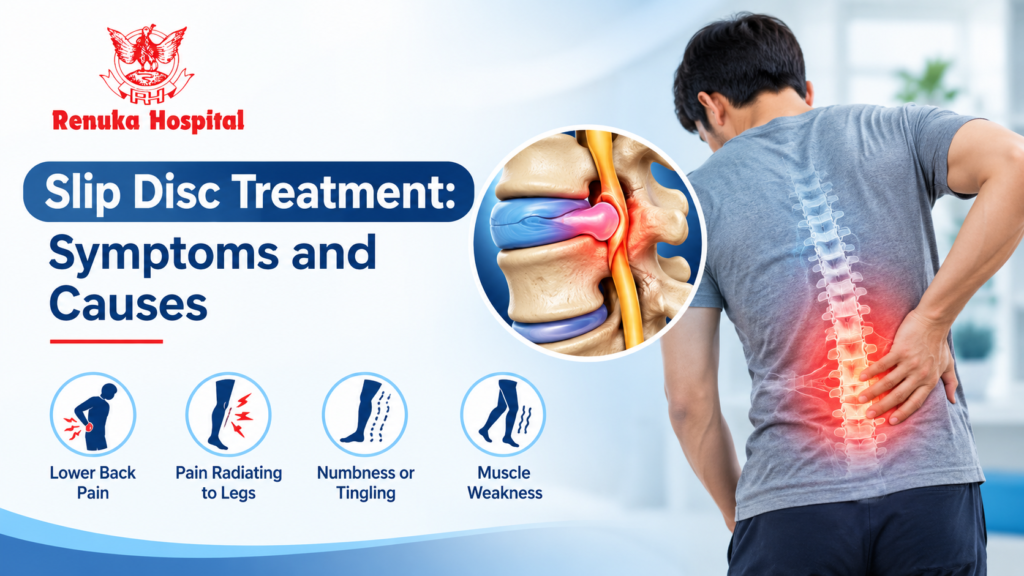
6 Essential Post Knee Transplant Tips for Faster Healing and Recovery

9 Essential Tips for Healthy Bones to Boost Strength and Avoid Weakness
April 17, 2026
Post Hip Transplant Tips to Support Healing with Proper Diet and Care
April 24, 2026
Recovering from knee surgery is not just about rest—it’s about doing the right things at the right time.
If you want to regain mobility, reduce pain, and get back to normal life faster, following the right Post Knee Transplant Tips can make a significant difference.
This guide breaks down practical, experience-backed advice that helps you heal efficiently while avoiding common mistakes that slow recovery.
Whether you’ve just had surgery or are preparing for it, this is exactly what you need to know.
What Does Recovery Really Look Like After Knee Transplant?
Before jumping into the tips, let’s get real for a second. Recovery isn’t linear. Some days feel great, others don’t. The key is consistency, not perfection.
Most patients see gradual improvement over 6–12 weeks, but full knee replacement recovery can take several months depending on age, fitness level, and how well you follow medical advice.
This is where structured Post Knee Transplant Tips become critical—they give you direction when motivation drops or confusion kicks in.
Tip 1: Prioritize Controlled Movement, Not Complete Rest
A common mistake people make is thinking rest equals healing. It doesn’t—at least not entirely.
After surgery, your knee needs movement to prevent stiffness and improve circulation.
This is where Post knee transplant exercise at home plays a key role.
Start with gentle exercises like:
- Heel slides
- Straight leg raises
- Assisted knee bends
These movements improve flexibility and support faster knee replacement recovery without putting excessive strain on the joint.
The goal is controlled motion, not aggressive workouts. Overdoing it can delay healing, while underdoing it can cause stiffness.
Smart movement is one of the most overlooked joint replacement tips, yet it’s one of the most effective.
Tip 2: Master Pain Control Without Over-Reliance on Medication
Pain is part of the process, but unmanaged pain slows progress. You won’t move properly, you’ll avoid exercises, and recovery drags.
Instead of relying only on medicines, combine multiple pain management strategies:
- Ice therapy to reduce swelling
- Elevation to improve blood flow
- Scheduled medication (not random use)
- Breathing techniques to reduce discomfort
Effective pain management strategies allow you to stay active, which directly improves knee replacement recovery outcomes.
Ignoring pain is just as harmful as over-medicating. Balance is everything.
These balanced approaches are among the most practical Post Knee Transplant Tips that patients often underestimate.
Tip 3: Focus on Nutrition That Supports Healing
Healing doesn’t just happen in the knee—it happens at the cellular level. And your body needs the right fuel.
Your diet should include:
- Protein for tissue repair
- Calcium for bone strength
- Vitamin D for absorption
- Vitamin C for collagen formation
Including the right vitamins for bone healing after surgery can significantly improve recovery speed.
Foods like dairy, leafy greens, citrus fruits, nuts, and lean meats should become part of your daily routine.
Ignoring nutrition is a silent mistake. Even with perfect exercise and therapy, poor diet can slow your progress.
This is one of those joint replacement tips that seems basic but has a huge impact.
Tip 4: Stay Consistent With Your Home Exercise Routine
Skipping exercises is the fastest way to delay recovery.
Your doctor or physiotherapist will recommend a structured Post knee transplant exercise at home routine.
Stick to it, even on days when you don’t feel like it.
Consistency leads to:
- Better joint mobility
- Reduced stiffness
- Improved muscle strength
Many patients who struggle with knee replacement recovery simply lack consistency—not effort.
Do your exercises daily, but listen to your body. Pain is okay; sharp or increasing pain is not.
Following these disciplined routines is one of the most effective Post Knee Transplant Tips you can apply immediately.
Tip 5: Don’t Ignore Swelling and Inflammation
Swelling is normal, but unmanaged swelling slows healing and limits movement.
To control it:
- Use ice packs regularly
- Elevate your leg above heart level
- Avoid prolonged sitting or standing
These simple actions support better circulation and enhance knee replacement recovery.
Swelling also affects how well you perform your Post knee transplant exercise at home, so managing it is essential.
Many people underestimate this step, but controlling inflammation is one of the most practical pain management strategies you can follow daily.
Tip 6: Follow Medical Guidance, Not Internet Myths
Let’s be honest—there’s a lot of bad advice online.
Not everything that works for someone else will work for you. Your recovery plan should be based on:
- Your age
- Your surgical procedure
- Your overall health
Following professional advice is one of the most reliable joint replacement tips you’ll ever get.
Stick to your physiotherapy schedule, attend follow-ups, and report any unusual symptoms early.
Blindly trying random methods can delay healing or even cause complications.
This is why personalized Post Knee Transplant Tips always outperform generic advice.
How Nutrition and Supplements Speed Up Recovery
Healing bones and tissues require more than just calories—they need targeted nutrients.
Including vitamins for bone healing after surgery like Vitamin D, Calcium, and Magnesium helps strengthen the joint and improve recovery outcomes.
Supplements can help, but only if prescribed correctly. Overuse or wrong combinations can backfire.
Pairing proper nutrition with pain management strategies and exercise creates a complete recovery system—not just isolated efforts.
The Role of Mental Strength in Recovery
Physical healing is only half the battle. Mental resilience matters just as much.
Recovery can feel slow, frustrating, and repetitive. Staying motivated is crucial.
Patients who stay positive and consistent tend to experience smoother knee replacement recovery compared to those who lose focus early.
Simple mindset shifts:
- Track small progress
- Celebrate mobility improvements
- Stay patient with the process
These aren’t just feel-good ideas—they directly influence how well you follow Post knee transplant exercise at home routines.
Common Mistakes That Delay Healing
Let’s call out the real issues that slow recovery:
- Skipping physiotherapy sessions
- Ignoring proper pain management strategies
- Poor diet lacking vitamins for bone healing after surgery
- Overexertion too early
- Inconsistent exercise routines
Avoiding these mistakes is just as important as following the right Post Knee Transplant Tips.
Quick Takeaways for Faster Recovery
If you remember nothing else, remember this:
- Move early, but move smart
- Stay consistent with Post knee transplant exercise at home
- Support your body with proper nutrition
- Use balanced pain management strategies
- Follow expert medical advice
These fundamentals define successful knee replacement recovery.
When Should You Expect Full Recovery?
There’s no exact timeline, but here’s a realistic breakdown:
- 2–4 weeks: Basic mobility improves
- 6–8 weeks: Increased strength and flexibility
- 3 months+: Significant recovery progress
Your consistency with these Post Knee Transplant Tips directly affects how fast you reach each stage.
Final Thoughts
Recovery after knee surgery is not about shortcuts—it’s about doing the basics exceptionally well, every single day.
By following structured Post Knee Transplant Tips under the guidance of the best orthopaedician & orthopaedic surgeons in aligarh, staying consistent with Post knee transplant exercise at home, focusing on proper nutrition including vitamins for bone healing after surgery, and applying effective pain management strategies, you set yourself up for a smoother and faster recovery.
If you approach healing with discipline, patience, and the right strategy, you won’t just recover—you’ll come back stronger, more mobile, and more confident than before.