The Essential Role of Thyroid Disorders in Fertility and Pregnancy Care

Why Your Lower Back Hurts in the Morning—and How to Fix It
February 24, 2026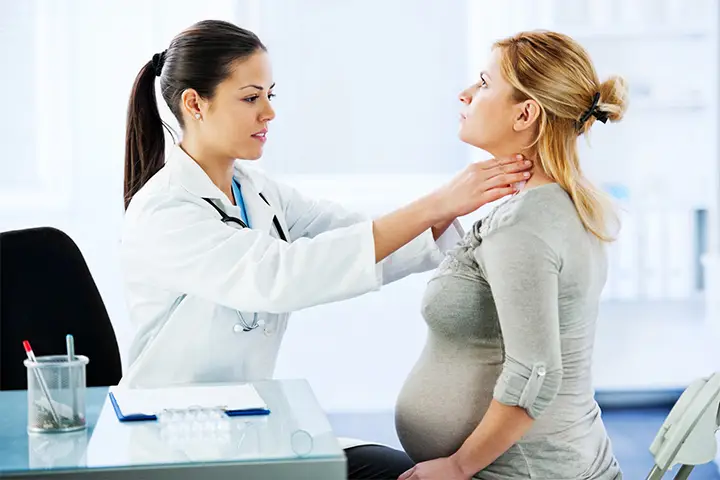
Thyroid disorders are among the most common endocrine conditions affecting women of reproductive age, often requiring guidance from specialists such as Top Gynaecologist Doctors in Aligarh. The thyroid gland, though small and butterfly-shaped, plays a massive role in regulating metabolism, hormonal balance, and overall health. When thyroid function is disrupted, it can significantly impact fertility, conception, and pregnancy outcomes. Understanding the relationship between thyroid health and reproductive care is essential for individuals planning a pregnancy, those struggling with infertility, and healthcare providers managing maternal health.
This blog explores how thyroid disorders influence fertility and pregnancy, the risks involved, and why early diagnosis and proper management are critical for healthy maternal and fetal outcomes.
Understanding Thyroid Function
The thyroid gland produces two key hormones: thyroxine (T4) and triiodothyronine (T3). These hormones regulate how the body uses energy and influence nearly every organ system, including the reproductive system. Thyroid hormone production is controlled by thyroid-stimulating hormone (TSH), released by the pituitary gland.
When the thyroid produces too little hormone, the condition is called hypothyroidism. When it produces too much, it is known as hyperthyroidism. Both conditions can interfere with normal reproductive processes.
Thyroid Disorders and Female Fertility
Hypothyroidism and Fertility
Hypothyroidism is one of the most common thyroid disorders affecting women trying to conceive. Low thyroid hormone levels can disrupt ovulation by interfering with the release of eggs from the ovaries. It may also cause irregular menstrual cycles, heavy periods, or even amenorrhea (absence of periods).
In addition, hypothyroidism can increase prolactin levels, a hormone that may suppress ovulation. Women with untreated hypothyroidism often experience difficulty conceiving and may face a higher risk of infertility.
Hyperthyroidism and Fertility
Hyperthyroidism, though less common, can also negatively affect fertility. Excess thyroid hormones may lead to lighter or irregular menstrual cycles and reduced chances of ovulation. In some cases, hyperthyroidism is associated with autoimmune conditions such as Graves’ disease, which can further complicate conception.
Proper management of hyperthyroidism before attempting pregnancy is essential to restore hormonal balance and improve fertility outcomes.
Thyroid Disorders and Male Fertility
While thyroid disorders are more commonly discussed in women, they can also affect male fertility. Abnormal thyroid hormone levels may impact sperm count, motility, and morphology. Hypothyroidism in men has been linked to reduced testosterone levels, while hyperthyroidism may lead to decreased sperm quality.
Addressing thyroid dysfunction in men can therefore play an important role in improving overall fertility for couples facing conception challenges.
Impact of Thyroid Disorders on Pregnancy
Early Pregnancy Risks
Thyroid hormones are crucial for fetal development, especially during the first trimester when the fetus depends entirely on the mother’s thyroid hormones. Untreated or poorly managed thyroid disorders during early pregnancy can increase the risk of miscarriage, ectopic pregnancy, and implantation failure.
Maternal Complications
Pregnant women with uncontrolled hypothyroidism may face complications such as anemia, preeclampsia, placental abruption, and postpartum hemorrhage. Hyperthyroidism during pregnancy can increase the risk of hypertension, heart failure, and thyroid storm, a rare but life-threatening condition.
Fetal and Neonatal Risks
Thyroid disorders can also affect the developing baby. Hypothyroidism during pregnancy has been associated with low birth weight, preterm birth, and impaired neurocognitive development in children. Hyperthyroidism may increase the risk of fetal growth restriction, preterm delivery, and neonatal thyroid dysfunction.
Thyroid Screening in Fertility and Pregnancy Care
Routine thyroid screening is increasingly recommended for women planning pregnancy or undergoing fertility treatment. Measuring TSH levels helps identify subclinical thyroid disorders that may otherwise go unnoticed.
During pregnancy, thyroid hormone requirements often increase, especially in women with pre-existing hypothyroidism. Regular monitoring and dose adjustments are essential to maintain optimal thyroid function throughout all trimesters.
Management and Treatment Options
Hypothyroidism Treatment
Hypothyroidism is typically treated with synthetic levothyroxine, a medication that replaces deficient thyroid hormone. When properly dosed, levothyroxine is safe during pregnancy and essential for preventing complications. Early treatment can restore ovulation and significantly improve fertility outcomes.
Hyperthyroidism Treatment
Treatment options for hyperthyroidism may include antithyroid medications, beta-blockers, or, in some cases, definitive treatments prior to conception. Careful selection and monitoring of medications during pregnancy are critical to balance maternal health with fetal safety.
Collaboration between endocrinologists, obstetricians, and fertility specialists ensures comprehensive care for individuals with thyroid disorders.
Lifestyle and Nutritional Considerations
Maintaining thyroid health is not limited to medication alone. Adequate intake of iodine, selenium, and iron supports normal thyroid function. Managing stress, maintaining a healthy weight, and avoiding smoking also contribute to hormonal balance.
However, supplementation should always be guided by a healthcare professional, particularly during pregnancy, to avoid excess intake that may worsen thyroid dysfunction.
The Importance of Preconception Counseling
Preconception counseling plays a vital role for individuals with known thyroid disorders. Optimizing thyroid hormone levels before conception reduces the risk of infertility and pregnancy complications. Women with a history of thyroid disease should discuss pregnancy planning with their healthcare provider to ensure timely testing and treatment adjustments.
Conclusion
Thyroid disorders have a profound impact on fertility and pregnancy care, influencing conception, maternal health, and fetal development. Both hypothyroidism and hyperthyroidism can pose significant risks if left untreated, but with early diagnosis, appropriate treatment, and ongoing monitoring, most individuals can achieve healthy pregnancies and positive outcomes.
Raising awareness about the role of thyroid health in reproductive care empowers patients to seek timely medical advice and supports better long-term health for both mother and child.