Sports Injuries Prevention, Treatment and Recovery: Complete Guide 2026

Best Foods for Healthy Joints and Strong Bones Backed by Science
July 4, 2026
Understanding Back Pain: Causes, Diagnosis & Treatment Options
July 13, 2026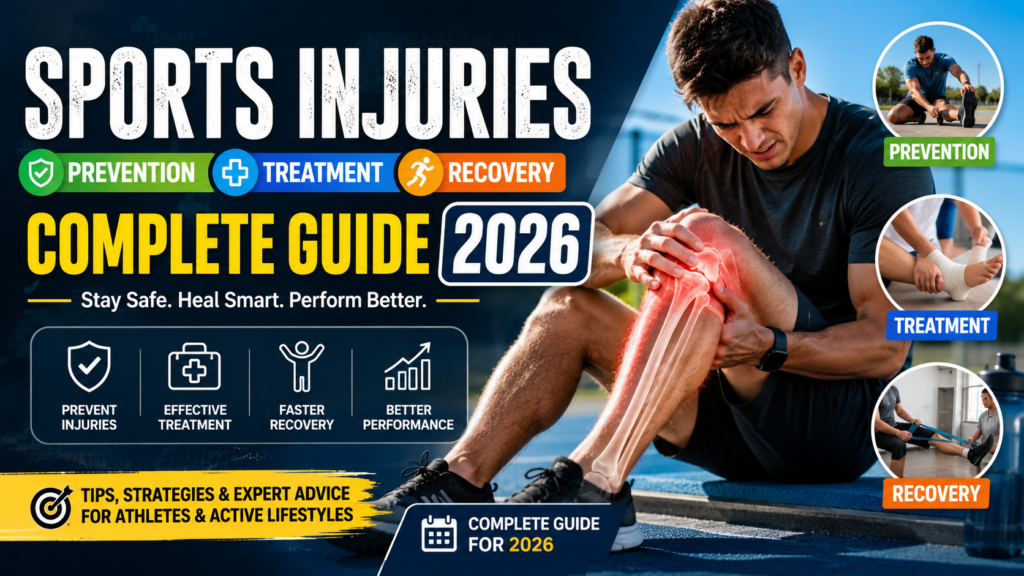
Whether you are a professional athlete, a weekend fitness enthusiast, or someone who enjoys recreational sports, injuries can interrupt your progress and affect your overall health.
This sports injuries guide explains how to prevent common sports injuries, understand treatment options, and recover safely while reducing the risk of future problems.
Following the right approach can help you return to your favorite activities with confidence and long-term fitness.
What Are Sports Injuries?
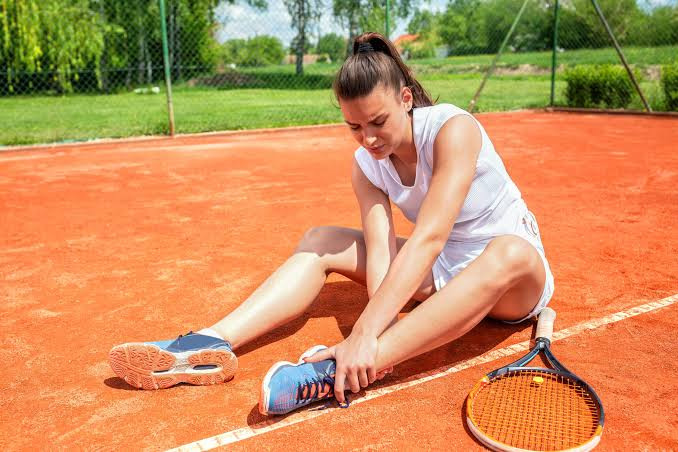
Sports injuries refer to damage affecting muscles, bones, ligaments, tendons, or joints during physical activity. They may occur suddenly due to trauma or gradually because of repetitive stress and overuse.
A complete sports injuries guide helps athletes recognize early warning signs, seek timely treatment, and adopt preventive measures before minor discomfort develops into a serious condition.
Common Types of Sports Injuries
The most common injuries vary depending on the sport, training intensity, and physical condition. Understanding these injuries allows athletes to respond quickly and prevent complications.
| Injury Type | Common Cause | Symptoms | Typical Recovery Time |
|---|---|---|---|
| Sprain | Twisting joint | Pain, swelling, instability | 2–8 weeks |
| Strain | Muscle or tendon overstretch | Muscle pain, weakness | 2–6 weeks |
| Fracture | Direct impact | Severe pain, deformity | 6–12 weeks |
| Tendinitis | Repetitive movement | Persistent pain, stiffness | Several weeks |
| Dislocation | Sudden force | Joint deformity, severe pain | 4–12 weeks |
| Stress Fracture | Overtraining | Localized pain during activity | 6–10 weeks |
Major Causes of Sports Injuries
Several factors increase the likelihood of injury during sports participation. Identifying these causes helps athletes create safer training routines.
- Skipping warm-up and cool-down sessions
- Poor exercise technique or incorrect posture
- Overtraining without adequate recovery
- Using worn-out or unsuitable sports equipment
- Muscle weakness or poor flexibility
- Sudden increase in training intensity
- Returning to sports before complete recovery
Understanding these risk factors makes this sports injuries guide practical for athletes of every age and fitness level.
Early Signs You Should Never Ignore
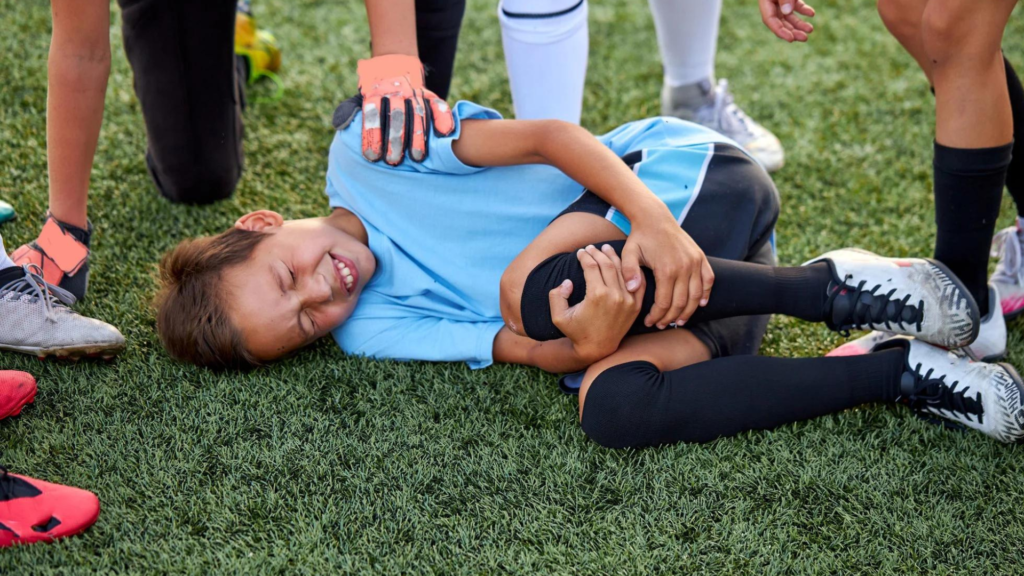
Many sports injuries begin with mild discomfort before becoming severe. Paying attention to early symptoms allows faster diagnosis and treatment.
Common warning signs include persistent pain, swelling, reduced range of motion, joint instability, bruising, numbness, recurring muscle tightness, or pain that worsens during activity. Ignoring these symptoms often leads to prolonged recovery and higher chances of re-injury.
Read More: Early Signs You Should Consult an Orthopedic Surgeon for Better Recovery
Effective Sports Injury Prevention Strategies
Prevention remains the most effective way to maintain consistent athletic performance. A proactive approach significantly reduces injury risk while improving strength and endurance.
- Perform dynamic warm-up exercises before activity.
- Stretch major muscle groups after workouts.
- Increase workout intensity gradually.
- Maintain proper hydration and balanced nutrition.
- Wear activity-specific protective gear and footwear.
- Schedule rest days to allow tissue recovery.
- Include strength and mobility exercises in weekly training.
- Learn correct movement techniques from qualified coaches.
Following these preventive measures makes every sports injuries guide more effective because avoiding injuries is always easier than treating them.
Diagnosis and Medical Evaluation
When pain persists beyond normal muscle soreness, professional evaluation becomes essential. Doctors typically assess medical history, physical examination findings, and activity patterns before recommending imaging tests such as X-rays, ultrasound, CT scans, or MRI when necessary.
Early diagnosis helps determine the severity of injury and allows a personalized treatment plan. Consulting the Best Orthopaedician in Aligarh can be beneficial for athletes experiencing persistent joint pain, fractures, ligament injuries, or recurring sports-related conditions requiring specialized orthopedic care.
Treatment Options for Sports Injuries
Treatment depends on the type, location, and severity of the injury. Modern sports medicine focuses on relieving pain, restoring movement, and preventing future complications.
Initially, doctors often recommend the RICE approach—Rest, Ice, Compression, and Elevation—for many acute injuries. Pain-relieving medications, physiotherapy, braces, taping techniques, and rehabilitation exercises may also be prescribed.
Severe ligament tears, complex fractures, or tendon ruptures may require minimally invasive or open surgical procedures followed by structured rehabilitation. A comprehensive sports injuries guide emphasizes individualized treatment because every athlete heals at a different pace.
Recovery Timeline and Rehabilitation
Successful recovery is more than simply waiting for pain to disappear. Rehabilitation restores flexibility, balance, muscle strength, endurance, and confidence before returning to sports.
Recovery generally follows these stages:
- Pain and inflammation control
- Gentle mobility restoration
- Progressive strengthening exercises
- Balance and coordination training
- Sport-specific functional exercises
- Safe return-to-play assessment
Athletes who complete each rehabilitation phase carefully usually experience fewer setbacks and improved long-term performance. This sports injuries guide recommends avoiding shortcuts that may increase re-injury risk.
Nutrition for Faster Healing
Recovery depends not only on treatment but also on proper nutrition. The body requires adequate nutrients to repair damaged tissues efficiently.
Focus on consuming high-quality protein, whole grains, fruits, vegetables, healthy fats, calcium-rich foods, and vitamin D sources. Staying hydrated supports muscle function and tissue repair, while omega-3 fatty acids may help manage inflammation.
Limiting processed foods, excessive sugar, and alcohol can further support recovery and improve overall athletic performance.
Read More: Best Foods for Healthy Joints and Strong Bones Backed by Science
When Can You Return to Sports?
Returning too early remains one of the biggest causes of repeat injuries. Athletes should resume training only after receiving medical clearance and meeting functional recovery goals.
You should generally return when you can:
- Perform sport-specific movements without pain.
- Regain full joint mobility.
- Recover normal muscle strength.
- Maintain balance and coordination.
- Complete training drills comfortably.
- Experience no swelling after exercise.
Using this sports injuries guide during recovery helps athletes understand that patience often leads to stronger and safer long-term performance.
Quick Takeaways
A reliable sports injuries guide encourages athletes to prioritize prevention, recognize symptoms early, seek professional evaluation when necessary, and complete rehabilitation before returning to sports.
Consistent conditioning, balanced nutrition, proper recovery, and evidence-based treatment remain the foundation of injury-free athletic performance.
Whether you participate competitively or simply enjoy staying active, making smart decisions today can protect your health, improve performance, and keep you participating in sports safely throughout 2026 and beyond.