How Obesity Affects Your Bones and Joints: Causes, Risks & Prevention

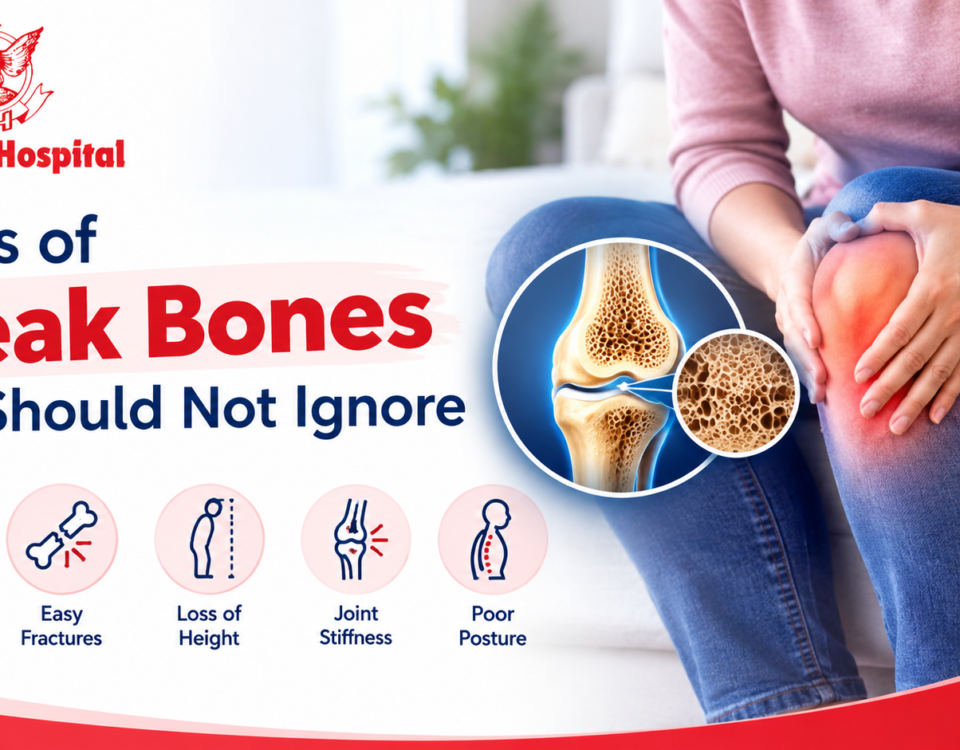
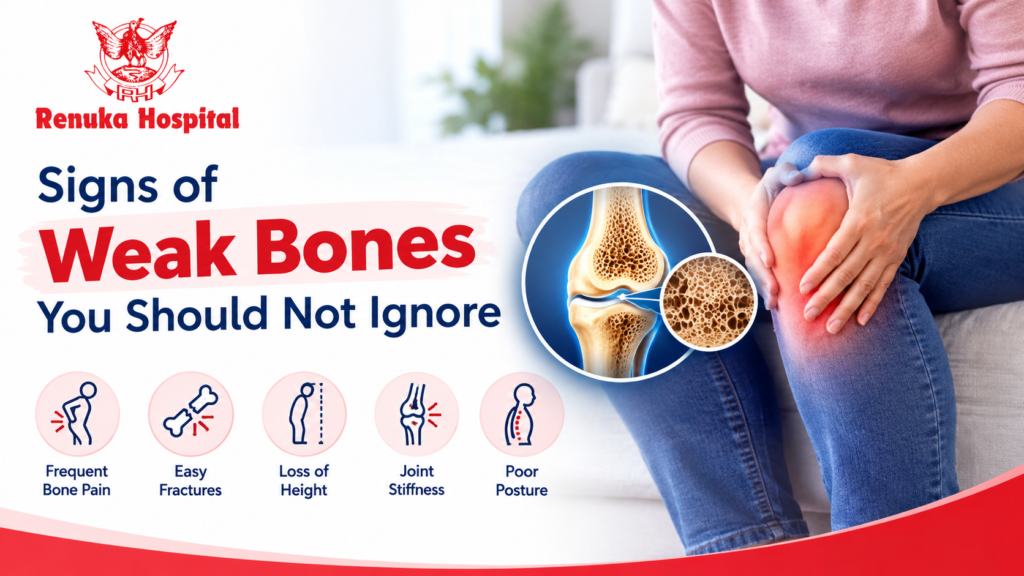
Signs of Weak Bones You Should Not Ignore
October 6, 2026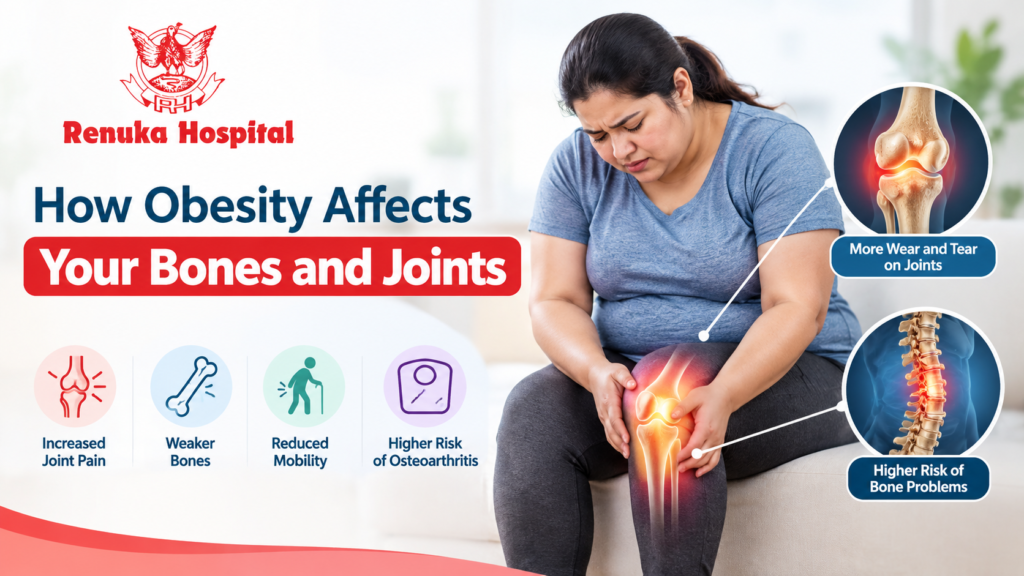
Obesity affects your bones and joints in several ways, mainly by increasing mechanical stress, inflammation, and the risk of joint problems. For people looking for expert musculoskeletal care, an orthopedic hospital in Aligarh can help assess persistent pain, mobility issues, and weight-related joint concerns. Renuka Hospital Aligarh also emphasizes timely orthopedic evaluation and practical treatment planning for patients dealing with bone and joint problems.
How Obesity Affects Your Bones and Joints
Extra body weight places greater pressure on weight-bearing joints such as the knees, hips, ankles, and lower back. Over time, this added load can affect cartilage, joint movement, posture, and physical activity. Obesity affects your bones and joints not only because of increased weight but also because fat tissue can contribute to low-grade inflammation that may influence musculoskeletal health.
Why Extra Weight Puts Stress on Joints
Everyday activities such as walking, climbing stairs, standing, and getting up from a chair require the joints to manage body weight. When that load increases, joints may experience greater stress during repeated movement. The knees are particularly vulnerable because they absorb substantial forces while supporting the body.
Inflammation and Joint Health
Adipose tissue is metabolically active and can release inflammatory substances. Persistent low-grade inflammation may contribute to changes in joint tissues and may worsen symptoms in people who already have osteoarthritis or other musculoskeletal conditions.
Which Bones and Joints Are Most Affected?
Knees and Hips
The knees and hips carry much of the body’s weight, making them common sites of pain and degeneration. Knee osteoarthritis may cause pain, stiffness, swelling, and difficulty walking. Hip problems can affect walking, balance, and everyday activities.
Spine, Ankles, and Feet
Excess weight can also increase strain on the lower back, ankles, and feet. Changes in posture and movement may place additional stress on muscles and supporting structures. Persistent back or foot pain should not automatically be attributed to weight; a proper evaluation can identify other causes.
Can Obesity Increase the Risk of Osteoarthritis?
Yes. Obesity is a well-established risk factor for osteoarthritis, especially in weight-bearing joints. Higher body weight can increase mechanical loading, while metabolic and inflammatory effects may also play a role. Obesity affects your bones and joints by creating a combination of physical and biological stresses rather than a single cause.
Signs You Should Not Ignore
Joint Pain and Stiffness
Pain after walking, prolonged standing, or climbing stairs can be an early warning sign. Morning stiffness or stiffness after sitting for a long time may also indicate a joint condition.
Reduced Mobility or Swelling
Difficulty bending the knee, reduced walking tolerance, joint swelling, or a feeling of instability deserves medical attention. If symptoms persist, become severe, or interfere with sleep and daily activities, consult an orthopedic specialist rather than relying only on home remedies.
How Obesity Affects Your Bones and Joints Over Time
Without appropriate lifestyle and medical support, repeated joint stress can contribute to worsening pain and reduced mobility. Reduced activity can then make weight management harder, creating a cycle in which pain limits exercise and inactivity contributes to further weight gain. Breaking this cycle early can protect function and improve quality of life.
The good news is that even modest improvements in weight and physical activity can be meaningful. Treatment should be individualized according to age, symptoms, medical history, joint condition, and mobility.
Practical Ways to Protect Your Bones and Joints
Focus on Sustainable Weight Management
A gradual, sustainable approach is generally more useful than extreme dieting. A balanced eating pattern with adequate protein, vegetables, fruits, whole grains, and appropriate portions can support overall health. If you have a medical condition or need significant weight loss, seek advice from a qualified healthcare professional.
Choose Joint-Friendly Exercise
Low-impact activities such as walking at a comfortable level, swimming, cycling, and water-based exercise can help improve fitness while reducing excessive joint impact. Strength training can also support the muscles around the knees, hips, and spine when performed safely.
Build Strength and Flexibility
Strong muscles help support joints and improve movement. Exercises should be selected according to your current ability and any existing pain. A physiotherapist or orthopedic professional can help develop a safe program when symptoms are significant.
Get Persistent Pain Evaluated
Pain that repeatedly returns should not simply be accepted as a normal consequence of being overweight. An orthopedic assessment may include a physical examination and, when appropriate, imaging or other tests. Renuka Hospital Aligarh can be a useful internal-link destination for readers seeking information about orthopedic evaluation and treatment options.
Quick Takeaways
- Excess body weight increases stress on weight-bearing joints.
- Obesity can contribute to inflammatory processes that affect musculoskeletal health.
- Knees, hips, lower back, ankles, and feet can be particularly vulnerable.
- Weight management and appropriate physical activity can reduce joint strain.
- Persistent pain, swelling, stiffness, or reduced mobility should be professionally evaluated.
- Early attention can help maintain mobility and prevent avoidable deterioration.
Obesity affects your bones and joints, but taking action early can help protect mobility, reduce strain, and support better long-term joint health.
When to See an Orthopedic Specialist
Seek medical advice if joint pain lasts for several weeks, keeps returning, limits normal activities, or is accompanied by significant swelling, instability, or difficulty bearing weight. Sudden severe pain after an injury, inability to use a limb, or major swelling requires prompt medical evaluation.
Obesity affects your bones and joints, but the impact is not inevitable or irreversible in every situation. Early lifestyle changes, appropriate exercise, weight management, and timely orthopedic care can help reduce strain and preserve mobility. The right treatment depends on the underlying condition rather than body weight alone.
Renuka Hospital Aligarh provides orthopedic care for patients who need professional evaluation of bone, joint, and mobility concerns. Readers can discuss persistent symptoms with an orthopedic specialist and develop a plan suited to their condition, activity level, and long-term health goals.
FAQs
1. Does obesity directly damage bones?
Obesity primarily increases stress on joints and may influence bone and metabolic health. Its effects vary depending on overall health, activity, age, and other risk factors.
2. Which joint is most affected by obesity?
The knees are commonly affected because they bear substantial loads during walking and other daily activities. Hips, ankles, feet, and the lower back may also be affected.
3. Can losing weight reduce joint pain?
Weight loss can reduce mechanical stress on weight-bearing joints and may improve mobility and pain for many people, particularly when combined with appropriate exercise.
4. Is walking safe if I have obesity and joint pain?
Walking may be appropriate for many people, but the right intensity depends on the condition and severity of symptoms. Low-impact alternatives may be preferable when walking causes significant pain.
5. When should I see an orthopedic doctor for obesity-related joint pain?
See an orthopedic doctor when pain persists, worsens, causes swelling or instability, or interferes with everyday activities. Early evaluation can help identify the cause and guide treatment.