Understanding Back Pain: Causes, Diagnosis & Treatment Options

Sports Injuries Prevention, Treatment and Recovery: Complete Guide 2026
July 8, 2026
Common Causes of Joint Pain and When to Seek Treatment
July 22, 2026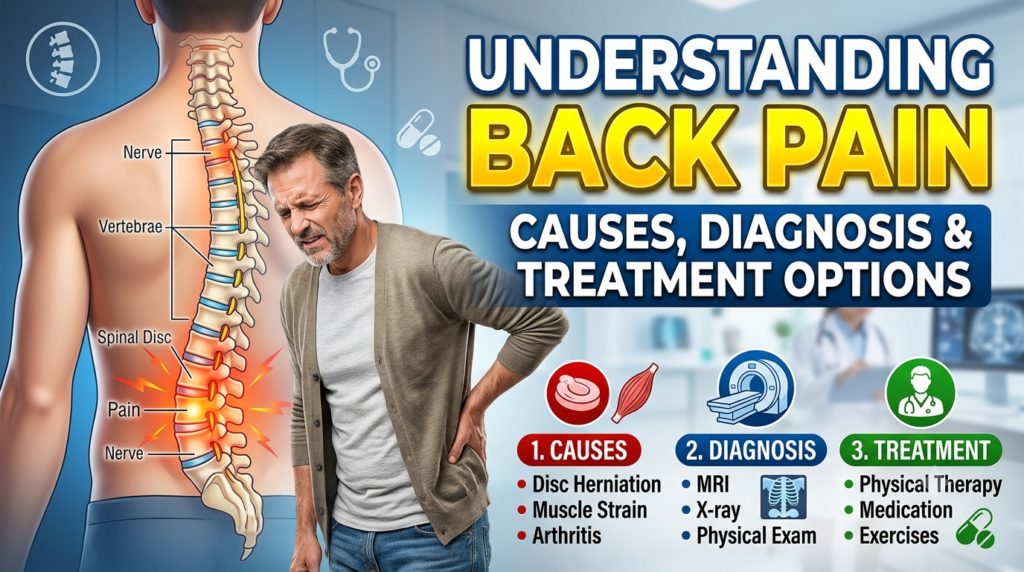
Back pain is one of the most common health concerns affecting people of all ages. Whether it’s a dull ache after a long day or severe pain that limits movement, back pain can significantly impact daily life.
While many cases improve with simple lifestyle changes, persistent or worsening symptoms may require medical evaluation. Understanding the causes, diagnosis, and treatment options can help you recover faster and prevent future problems.
If you’re researching musculoskeletal conditions, you may also find our guides on joint pain management, sports injury rehabilitation, and spine health exercises helpful for maintaining long-term mobility.
What Causes Back Pain?
Back pain can develop for several reasons, ranging from temporary muscle strain to underlying medical conditions. Identifying the root cause is essential for effective treatment.
Common causes include:
- Muscle or ligament strain due to heavy lifting or sudden movements
- Poor posture while sitting or working
- Herniated or slipped discs
- Degenerative disc disease
- Osteoarthritis affecting the spine
- Sciatica caused by nerve compression
- Osteoporosis leading to vertebral fractures
- Spinal infections or inflammatory disorders
People experiencing ongoing symptoms often consult the best orthopaedic surgeons in aligarh for a comprehensive evaluation and personalized treatment plan.

Common Symptoms of Back Pain
Back pain varies in intensity and location depending on its cause. Symptoms may include:
- Persistent aching in the lower or upper back
- Sharp or stabbing pain during movement
- Muscle stiffness
- Pain radiating to the hips or legs
- Numbness or tingling sensations
- Weakness in the legs
- Difficulty standing, bending, or walking
Seek immediate medical attention if back pain is accompanied by bowel or bladder dysfunction, significant weakness, unexplained weight loss, fever, or pain following major trauma.
READ MORE: Why Your Lower Back Hurts in the Morning—and How to Fix It
How Is Back Pain Diagnosed?
Accurate diagnosis begins with a detailed medical history and physical examination. Your healthcare provider will ask about symptom duration, pain location, injury history, and activities that worsen or relieve discomfort.
Depending on the findings, diagnostic tests may include:
Physical Examination
The doctor assesses posture, flexibility, muscle strength, reflexes, and nerve function to identify possible sources of pain.
Imaging Tests
Common imaging studies include:
- X-rays to detect fractures or arthritis
- MRI scans to evaluate discs, nerves, and soft tissues
- CT scans for detailed bone imaging
- Bone density testing when osteoporosis is suspected
Laboratory Tests
Blood tests may be recommended if infection, inflammatory disease, or certain medical conditions are suspected.
Early diagnosis improves treatment outcomes and reduces the risk of chronic back pain.
Treatment Options for Back Pain
Treatment depends on the underlying cause, symptom severity, and overall health. Most patients benefit from a combination of therapies rather than a single approach.
1. Rest and Activity Modification
Short periods of rest may help after an acute injury, but prolonged bed rest is generally discouraged. Gentle movement promotes healing and reduces stiffness.
2. Physical Therapy
A structured rehabilitation program helps strengthen the core muscles, improve flexibility, and correct posture. Physical therapy is considered one of the most effective long-term treatments for recurring back pain.
3. Medications
Doctors may recommend:
- Nonsteroidal anti-inflammatory drugs (NSAIDs)
- Acetaminophen for pain relief
- Muscle relaxants for muscle spasms
- Prescription medications for severe cases when appropriate
Medication should always be taken under medical supervision.
4. Lifestyle Modifications
Simple daily habits can significantly reduce back pain:
- Maintain a healthy weight
- Use ergonomic furniture
- Lift objects correctly
- Stay physically active
- Avoid prolonged sitting
- Sleep on a supportive mattress
5. Interventional Pain Management
For patients who do not improve with conservative treatment, options may include:
- Epidural steroid injections
- Facet joint injections
- Radiofrequency ablation
- Nerve blocks
These procedures can reduce inflammation and improve mobility.
6. Surgical Treatment
Surgery is generally reserved for conditions such as severe spinal instability, herniated discs causing neurological deficits, spinal fractures, or persistent nerve compression that fails to respond to non-surgical care.
Advances in minimally invasive spine surgery have reduced recovery time for many patients.
Tips to Prevent Back Pain
Preventing back pain is often easier than treating it. Consider these practical habits:
- Exercise regularly to strengthen your back and core muscles.
- Stretch before physical activity.
- Practice good posture while sitting and standing.
- Take breaks if you work at a desk for long hours.
- Avoid smoking, as it may accelerate spinal degeneration.
- Wear supportive footwear.
- Lift heavy objects using your legs rather than your back.
Consistent preventive measures help maintain spinal health and reduce the likelihood of recurring pain.

When Should You See a Doctor?
Consult a healthcare professional if:
- Pain lasts longer than two to four weeks.
- Pain becomes progressively worse.
- You experience numbness or weakness.
- Pain spreads down one or both legs.
- Daily activities become difficult.
- Over-the-counter treatments provide little relief.
Early medical evaluation can identify serious conditions before complications develop.
Quick Takeaways
- Back pain can result from muscle strain, spinal degeneration, nerve compression, or medical conditions.
- Accurate diagnosis involves physical examination and, when necessary, imaging studies.
- Most cases improve with physical therapy, lifestyle changes, and appropriate medication.
- Surgery is recommended only for selected patients with structural spinal problems.
- Maintaining good posture, regular exercise, and healthy body weight can significantly reduce the risk of future back pain.
Conclusion
Back pain is a common but manageable condition when addressed promptly and appropriately. Understanding its causes, recognizing warning signs, and choosing evidence-based treatment options can improve recovery and prevent long-term complications.
While many episodes resolve with conservative care, persistent or severe symptoms should never be ignored. Seeking timely medical evaluation ensures an accurate diagnosis and a treatment plan tailored to your individual needs, helping you return to daily activities with greater comfort, mobility, and confidence.