Tips for Maintaining Healthy Bones and Preventing Bone Loss Naturally

Common Causes of Joint Pain and When to Seek Treatment
July 22, 2026
Can Arthritis Be Cured Naturally? Effective Ways to Manage Symptoms
July 30, 2026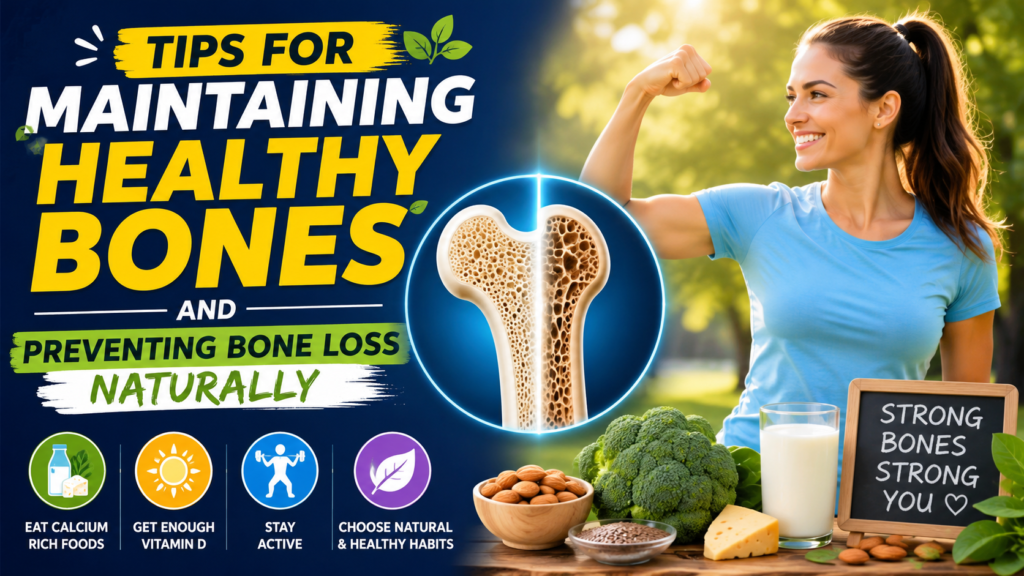
Strong bones are essential for an active, independent, and healthy life. Bones provide structure, protect vital organs, store important minerals, and support movement. However, bone density naturally decreases with age, making it important to adopt habits that support lifelong bone strength. If you want to maintain healthy bones, small lifestyle changes made today can significantly reduce the risk of fractures and osteoporosis in the future.
If you experience persistent bone pain, swelling, or joint discomfort, consulting the best orthopaedic surgeons in aligarh can help identify underlying conditions and recommend appropriate treatment before complications develop.
Why Bone Health Matters
Bones are living tissues that continuously rebuild themselves. During childhood and early adulthood, new bone forms faster than old bone breaks down. As people grow older, this balance gradually changes, increasing the risk of bone loss.
Maintaining healthy bones requires a combination of proper nutrition, regular physical activity, and healthy daily habits that support bone remodeling.
Early prevention is far more effective than trying to restore bone density after significant loss has already occurred.
READ MORE: Common Causes of Joint Pain and When to Seek Treatment
Eat a Nutrient-Rich Diet
Nutrition plays one of the biggest roles in supporting healthy bones. Calcium remains the primary mineral responsible for bone strength, while vitamin D helps the body absorb calcium efficiently.
Include foods such as milk, yogurt, cheese, leafy green vegetables, almonds, sesame seeds, tofu, and fortified cereals in your daily meals. Fatty fish, egg yolks, and moderate sunlight exposure help improve vitamin D levels.
A balanced diet should also provide magnesium, phosphorus, vitamin K, zinc, and protein, all of which contribute to normal bone development and maintenance.
Stay Physically Active Every Day
Exercise sends positive signals that encourage bones to remain strong. Weight-bearing and resistance exercises are particularly beneficial because they stimulate bone-building cells.
Walking, jogging, stair climbing, dancing, hiking, resistance-band workouts, and strength training can improve bone density while enhancing balance and coordination. Better balance lowers the chances of falls, which become increasingly dangerous with age.
Regular movement is one of the simplest ways to naturally preserve healthy bones.
Maintain a Healthy Lifestyle
Several everyday habits directly influence bone health. Smoking reduces blood flow to bones and interferes with the body’s ability to build new bone tissue. Excessive alcohol consumption also weakens bone formation and increases fracture risk.
Maintaining a healthy body weight is equally important. Being underweight may reduce bone density, while excessive weight places additional stress on joints and bones. Prioritizing quality sleep and managing chronic stress also support the body’s natural repair processes.
These lifestyle choices work together to protect healthy bones over the long term.
Get Enough Protein Without Overdoing It
Protein provides the building blocks for muscles, tissues, and bones. Too little protein may reduce calcium absorption and weaken bone strength, while excessive amounts without balanced nutrition may not provide additional benefits.
Aim for balanced meals that include lean meat, fish, beans, lentils, dairy products, nuts, and seeds. Combining adequate protein intake with calcium-rich foods creates a strong nutritional foundation for lifelong bone health.
Support Bone Health with Essential Vitamins and Minerals
While calcium and vitamin D receive the most attention, other nutrients also contribute to stronger bones.
Vitamin K supports proper bone mineralization, magnesium assists bone formation, and zinc participates in tissue repair. Potassium-rich fruits and vegetables may also help reduce calcium loss from bones.
If dietary intake is insufficient, speak with a qualified healthcare professional before starting supplements, as excessive supplementation may not always be beneficial.
Recognize Early Warning Signs
Bone loss often develops silently without obvious symptoms. Some warning signs include reduced height, frequent fractures, back pain, poor posture, or gradual loss of mobility.
Regular health checkups become increasingly valuable after age 50, especially for women after menopause and individuals with a family history of osteoporosis. Early diagnosis allows timely intervention before significant complications occur.
Taking preventive action helps maintain healthy bones throughout every stage of life.
Everyday Habits That Make a Difference
Simple routines practiced consistently often produce better results than occasional major efforts.
- Spend time outdoors for natural sunlight.
- Stay hydrated throughout the day.
- Include strength exercises at least two or three times each week.
- Limit processed foods and excessive soft drinks.
- Practice good posture while sitting and standing.
- Schedule regular health screenings when recommended by your doctor.
These practical habits gradually strengthen the body’s natural ability to maintain healthy bones.
You may also find it helpful to explore related articles on osteoporosis prevention, calcium-rich foods, vitamin D deficiency, strength training for seniors, and fall prevention strategies to build a complete understanding of long-term bone health.
Quick Takeaway
Preventing bone loss begins with daily decisions rather than dramatic changes. A balanced diet rich in essential nutrients, regular weight-bearing exercise, sufficient vitamin D, healthy lifestyle choices, and routine medical checkups all contribute to stronger bones throughout life.
Consistency is the key to preserving healthy bones and reducing the likelihood of osteoporosis and fractures. By making these habits part of your everyday routine, you can continue enjoying mobility, independence, and overall well-being for years to come while protecting healthy bones naturally.