When Should You See a Spine Surgeon: Common Back Pain Problems Explained

Can Arthritis Be Cured Naturally? Effective Ways to Manage Symptoms
July 30, 2026
Common Causes of Knee Pain and When to See an Orthopedic Surgeon
August 7, 2026
Back pain is one of the most common physical ailments globally, affecting millions of adults every year. While a simple muscle strain often resolves with rest, heat therapy, and over-the-counter medication, persistent discomfort may indicate a deeper underlying structural issue.
When self-care fails, consulting top specialists—such as the best orthopaedic surgeons in aligarh—helps establish an accurate diagnosis. But how do you know when conservative treatments are no longer enough, and when it is time to consult a spine surgeon?
Understanding the difference between routine muscle fatigue and serious spinal pathology is essential for protecting your long-term mobility and quality of life.
See more: Can Arthritis Be Cured Naturally? Effective Ways to Manage Symptoms
Common Back Pain Problems and Their Causes
Not all back pain originates from the same source. The spine is a complex column of vertebrae, intervertebral discs, spinal cord tissue, and nerve roots. When any of these components become compromised, pain follows.
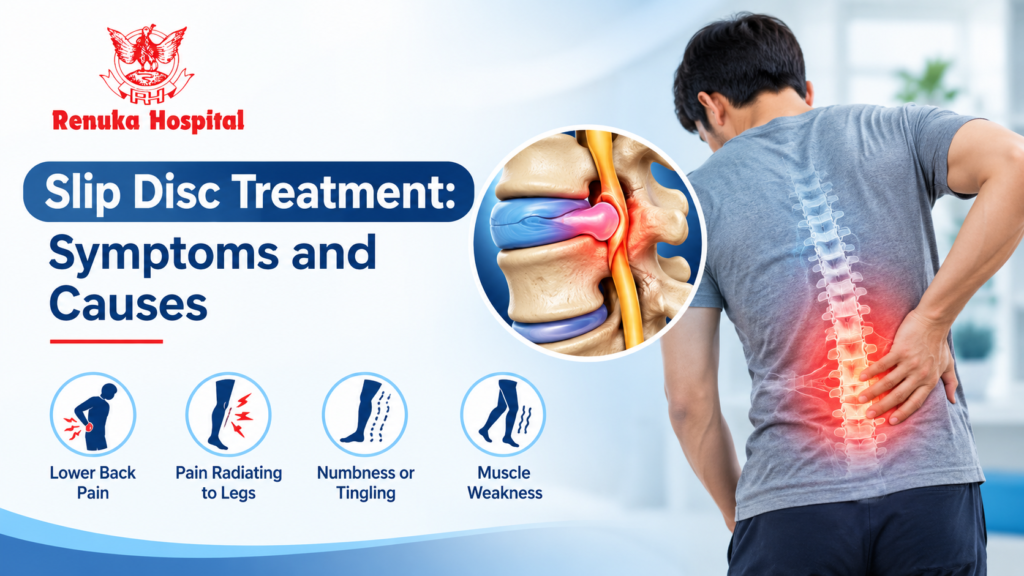
- Herniated or Slipped Discs: Occurs when the soft gel-like center of a spinal disc pushes through its outer ring, irritating nearby nerves.
- Spinal Stenosis: A narrowing of the spinal canal that puts pressure on the spinal cord and nerves, common in older adults.
- Degenerative Disc Disease: Age-related wear and tear on the intervertebral discs causing persistent aching and stiffness.
- Spondylolisthesis: A condition where one vertebra slips forward over the one below it, leading to instability and nerve compression.
- Spinal Fractures or Trauma: Fractures caused by falls, accidents, or severe osteoporosis.
Knowing when to transition from home remedies to consulting a qualified spine surgeon can prevent long-term neurological damage.
4 Clear Signs It Is Time to See a Spine Surgeon
If your discomfort goes beyond occasional stiffness, pay attention to these red flag symptoms that warrant specialist intervention.
1. Chronic Pain Lasting Longer Than 6 Weeks
Most minor back strains improve within two to four weeks. If severe pain persists beyond six weeks without relief despite rest and anti-inflammatory medications, scheduling an evaluation with a spine surgeon is the next logical step. Chronic pain often points to structural disc issues or arthritis that require targeted intervention.
2. Radiating Pain Down the Arms or Legs (Sciatica)
Pain that travels from your lower back down through your buttocks, thighs, or calves is a hallmark sign of nerve compression. When sciatica or nerve pain shoots past the knee or elbow, a spine surgeon can evaluate whether a herniated disc is compressing a spinal root. You can explore non-surgical options first through conservative spinal therapies.
3. Numbness, Tingling, or Muscle Weakness
Sensations of “pins and needles,” numbness in the feet or hands, or difficulty lifting your foot while walking (foot drop) indicate that nerve pathways are compromised. Progressive weakness or loss of grip strength requires immediate attention from a spine surgeon to prevent irreversible nerve injury.
4. Loss of Bowel or Bladder Control (Red Flag Emergency)
Sudden loss of bowel or bladder control accompanied by numbness in the inner thighs or saddle area is a medical emergency known as Cauda Equina Syndrome. In rare instances, sudden loss of bowel or bladder control requires urgent intervention from a spine surgeon to prevent permanent paralysis.
Non-Surgical vs. Surgical Treatment Options
Contrary to common belief, consulting a spine surgeon does not automatically mean you will end up on the operating table. In fact, ethical specialists exhaust non-invasive remedies first before considering surgical options.
- Physical Therapy & Core Strengthening: Restores posture, flexibility, and core stability to reduce load on spinal discs.
- Targeted Epidural Injections: Reduce localized inflammation around compressed nerve roots.
- Minimally Invasive Spine Surgery (MISS): Small incisions that preserve surrounding muscle tissue, leading to faster recovery times.
- Spinal Fusion or Disc Replacement: Recommended when structural instability or advanced degeneration severely impacts daily life.
For a detailed breakdown of specialized diagnostic imaging, check out our guide on orthopedic diagnostic tools.
How a Spine Specialist Diagnoses Your Condition
During your initial consultation, a spine surgeon will review advanced imaging like MRIs and CT scans alongside a physical exam. This includes testing your reflexes, muscle strength, sensory responses, and walking gait. By pinpointing the exact level of spinal compromise, they create a personalized roadmap for pain recovery.
Quick Takeaways for Back Health
- Act Early: Treating nerve compression early prevents permanent nerve damage.
- Stay Active: Gentle movement and walking are far better for spinal recovery than prolonged bed rest.
- Maintain Ergonomics: Use supportive seating and proper lifting techniques to protect your lumbar spine.
- Seek Expert Opinions: Never hesitate to seek a second opinion regarding complex spinal conditions.
Conclusion
Back pain is a common obstacle, but living with debilitating discomfort or nerve impairment does not have to be your norm. Recognizing warning signs like radiating leg pain, numbness, and prolonged stiffness empowers you to seek professional medical help before complications worsen. Taking proactive control of your spinal health by meeting with a skilled spine surgeon ensures you receive the most effective treatment plan tailored to your lifestyle.