Fracture Treatment: When Should You Consult an Orthopedic Surgeon?

Slip Disc Treatment: Symptoms and Causes
September 24, 2026
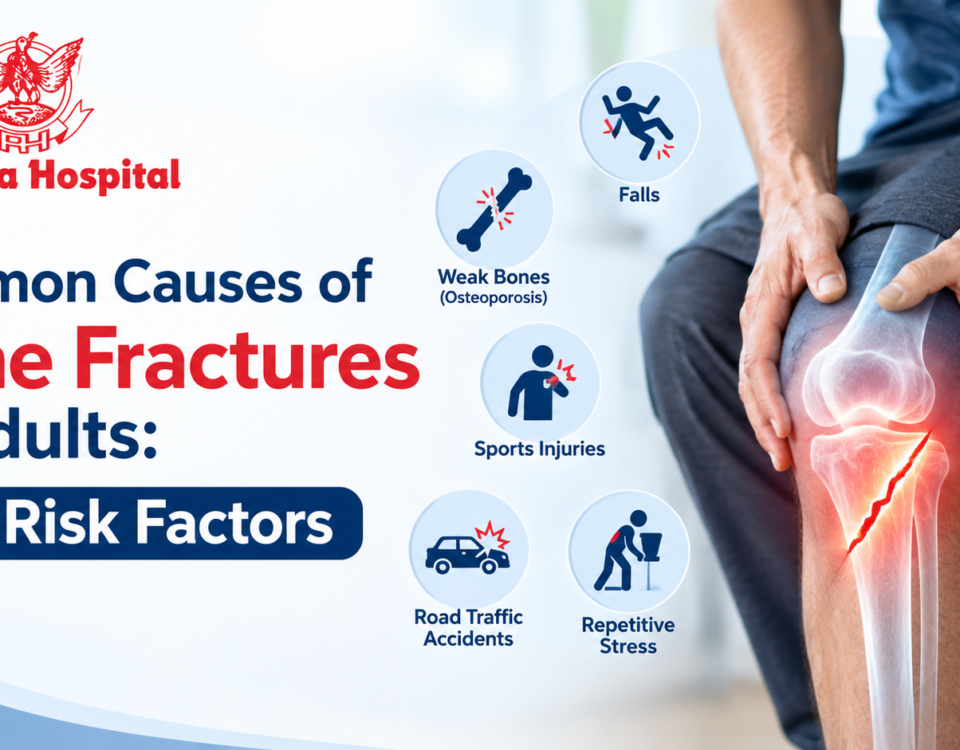
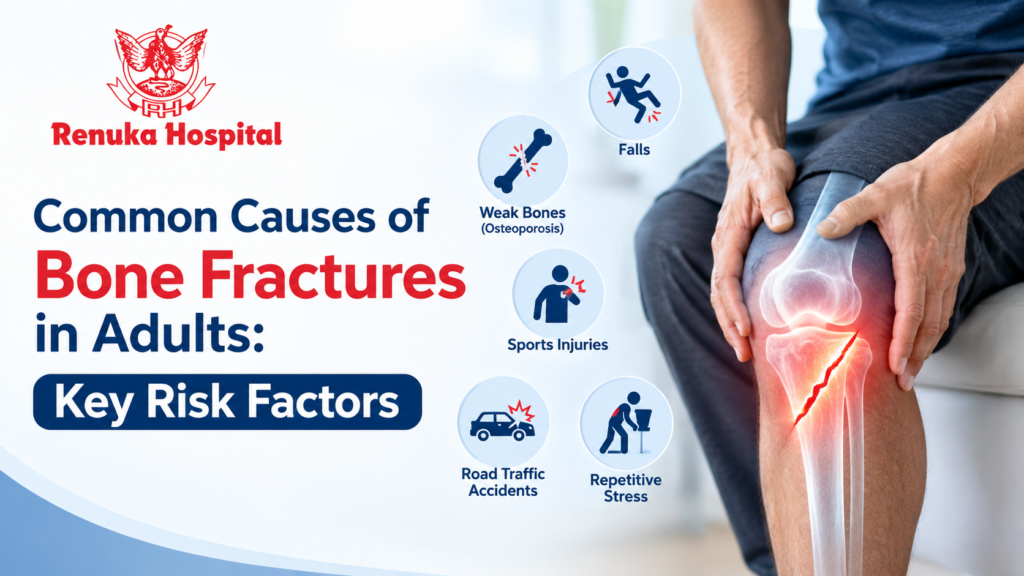
Common Causes of Bone Fractures in Adults: Key Risk Factors
September 28, 2026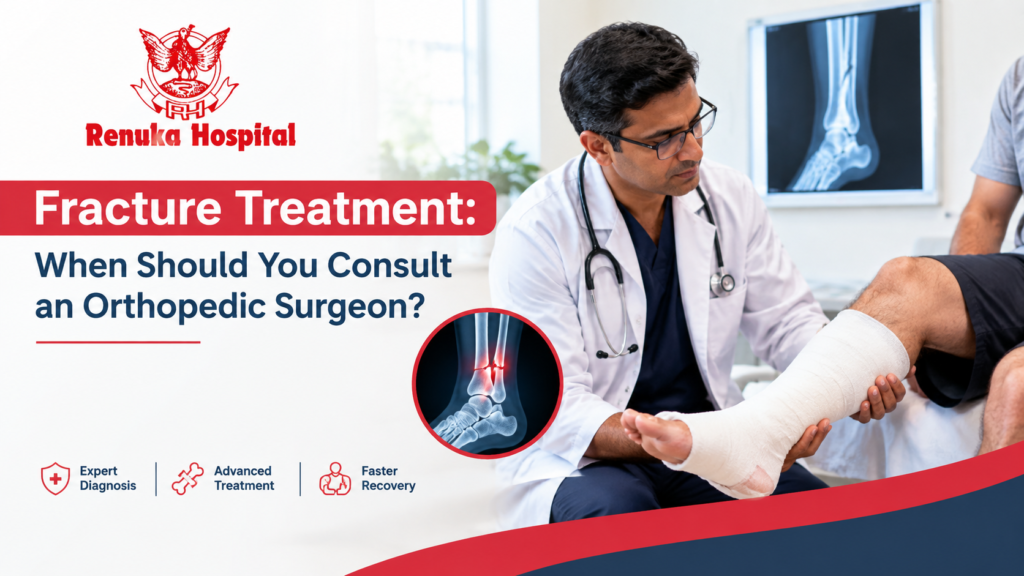
A broken bone can cause sudden pain, swelling, bruising, and difficulty moving the affected area. Knowing when professional evaluation is necessary can help prevent complications and support proper healing. For people looking for reliable fracture treatment, Renuka Hospital Aligarh provides access to orthopedic care for different types of bone and joint injuries.
If you are searching for an Orthopedic Hospital in Aligarh, Renuka Hospital Aligarh can be considered for professional assessment and treatment planning. Early evaluation at Renuka Hospital Aligarh may help determine whether a fracture requires immobilization, reduction, surgery, or follow-up care.
What Is a Fracture and How Is It Diagnosed?
A fracture occurs when a bone partially or completely breaks. Fractures can result from falls, sports injuries, road accidents, direct impact, or weakened bones. Some fractures are obvious, while others may initially resemble a severe sprain or soft-tissue injury.
Doctors generally assess the injury through a physical examination and imaging, most commonly X-rays. Depending on the location and complexity of the injury, CT or MRI may sometimes be recommended. For example, displaced fractures or fractures involving a joint may require more detailed imaging to guide treatment decisions.
When Should You See an Orthopedic Surgeon?
Not every suspected fracture requires surgery, but a suspected or confirmed fracture should be medically evaluated. An orthopedic surgeon can determine the severity of the injury, check bone alignment, assess surrounding nerves and blood vessels, and recommend an appropriate treatment plan.
Severe Pain After an Injury
Persistent or severe pain following a fall, collision, or direct blow can indicate a fracture. Pain that becomes worse when the injured area is moved or touched should not be ignored.
Visible Bone or Open Wound
If a wound exposes bone or the bone has broken through the skin, it may be an open fracture. This requires urgent medical attention because of the increased risk of infection and damage to surrounding tissues.
Unusual Shape or Deformity
A visibly bent, shortened, or misshapen arm, leg, wrist, ankle, or finger may indicate that the bones have shifted. Such injuries require prompt assessment rather than attempts to straighten the limb at home.
Numbness, Pale Skin, or Coldness
Numbness, tingling, unusual paleness, or a cold hand or foot can indicate possible nerve or blood-flow problems. These symptoms require urgent evaluation, particularly after a significant injury.
How Fracture Treatment Is Selected
The appropriate fracture treatment depends on several factors rather than simply whether the bone is broken. Doctors consider the fracture’s location, alignment, number of bone fragments, involvement of a joint, soft-tissue condition, age, activity level, and general health.
Casting or Splinting for Stable Injuries
Some fractures remain properly aligned and can heal with immobilization using a cast or splint. Follow-up appointments may still be necessary to ensure the bone remains correctly positioned during healing.
Reduction to Restore Bone Alignment
When fractured bone fragments have moved out of their normal position, a doctor may perform a reduction to restore alignment. Depending on the injury, this may be performed without surgery or as part of a surgical procedure.
Surgery for Complex or Unstable Fractures
Certain fractures may require surgical fixation using plates, screws, rods, pins, or other orthopedic implants. Surgery may be considered when the fracture is unstable, significantly displaced, involves a joint, or cannot be adequately maintained in the correct position with non-surgical treatment.
Rehabilitation After Bone Healing
Recovery does not always end when the bone is immobilized or surgically repaired. Physical therapy and gradual movement may be recommended to restore strength, flexibility, balance, and function. The rehabilitation plan depends on the injury and the individual’s recovery progress.
Four Warning Signs You Shouldn’t Ignore
Some symptoms indicate that waiting for the injury to improve at home may be inappropriate. Seek urgent medical assessment when there is:
- An open wound or visible bone
- Significant deformity of the injured area
- Loss of sensation or severe tingling
- A pale, blue, or unusually cold hand or foot
- Severe swelling or rapidly increasing pain
- Inability to use the injured limb normally
These symptoms can accompany serious fractures or damage to nearby nerves and blood vessels. Prompt evaluation is particularly important after high-energy trauma.
Four Practical Steps After a Suspected Fracture
Until professional medical care is available, focus on protecting the injured area rather than trying to correct the bone yourself.
Keep the Injured Area Still
Avoid unnecessary movement and support the injured limb in a comfortable position. Do not attempt to straighten an obviously deformed limb.
Use Cold Therapy Carefully
A wrapped cold pack can help reduce swelling. Avoid placing ice directly against the skin, particularly for prolonged periods.
Remove Tight Accessories
If swelling is developing, rings, watches, bracelets, or tight footwear may become difficult to remove later. Remove them carefully when possible without disturbing the injury.
Seek Professional Assessment
Arrange medical evaluation as soon as possible when a fracture is suspected. X-rays and clinical examination can help determine the next step in fracture treatment.
Why Timely Orthopedic Evaluation Matters
Delaying assessment can make it harder to identify displacement, joint involvement, or associated soft-tissue problems. The goal of fracture treatment is not simply to reduce pain but also to restore appropriate bone alignment and support functional recovery.
Some injuries can initially appear less serious than they are. For example, a fracture may exist even when swelling or deformity is limited. Conversely, not every painful injury requires surgery. An orthopedic assessment helps distinguish between these situations and prevents unnecessary self-treatment.
What Can You Expect During Your Visit?
During an orthopedic consultation, the doctor may ask how the injury occurred, examine the affected area, assess movement and circulation, and review imaging. Treatment recommendations are based on the fracture pattern and individual circumstances.
At Renuka Hospital Aligarh, patients seeking orthopedic evaluation can discuss their symptoms, imaging findings, treatment options, and recovery expectations with the treating medical team.
For complex injuries, the treatment plan may involve immobilization, reduction, surgical fixation, medication for pain control, and rehabilitation depending on clinical requirements.
Quick Takeaways for Patients
Remember these practical points:
- Suspected fractures should be medically assessed.
- Do not try to straighten a deformed bone yourself.
- Open fractures require urgent medical attention.
- Numbness, coldness, or color changes can signal neurovascular problems.
- Treatment may range from a cast or splint to surgery.
- Follow-up is important because bone alignment can change during healing.
- Rehabilitation may be needed to regain normal movement and strength.
For patients with a suspected broken bone, timely fracture treatment can help guide appropriate care and recovery. The specific approach should always be decided after examination and appropriate imaging.
Conclusion
Knowing when to seek professional help is an important part of safe fracture treatment. Severe pain, deformity, an open wound, inability to move the affected area, or changes in sensation and circulation should not be ignored. Early assessment allows an orthopedic specialist to determine whether immobilization, reduction, surgery, or rehabilitation is appropriate.
For patients in Aligarh, Renuka Hospital Aligarh offers an option for discussing suspected fractures and orthopedic concerns with a medical team. If you have experienced a significant injury or believe you may have a broken bone, arrange an appropriate medical evaluation rather than relying solely on home care.
FAQ’s About Fracture Treatment
1. When should I see an orthopedic surgeon?
You should seek orthopedic evaluation when a fracture is suspected, particularly when there is severe pain, deformity, inability to use the limb, significant swelling, or abnormal sensation.
2. Does every fracture require surgery?
No. Many fractures can be treated without surgery using a cast, splint, or other immobilization. Surgery depends on factors such as displacement, stability, location, and joint involvement.
3. Can a fracture heal without treatment?
Although some fractures can heal naturally, improper alignment or inadequate immobilization can affect function and healing. Professional assessment is recommended for suspected fractures.
4. What happens if a fracture is left untreated?
An untreated fracture may heal in an incorrect position, remain unstable, or cause persistent pain and reduced function. Some injuries can also involve nearby nerves, blood vessels, or joints.
5. How long does fracture recovery take?
Healing time varies according to the bone, fracture type, age, overall health, and treatment method. Your orthopedic specialist can provide a more individualized recovery estimate after evaluation.