Common Causes of Bone Fractures in Adults: Key Risk Factors

Fracture Treatment: When Should You Consult an Orthopedic Surgeon?
September 26, 2026
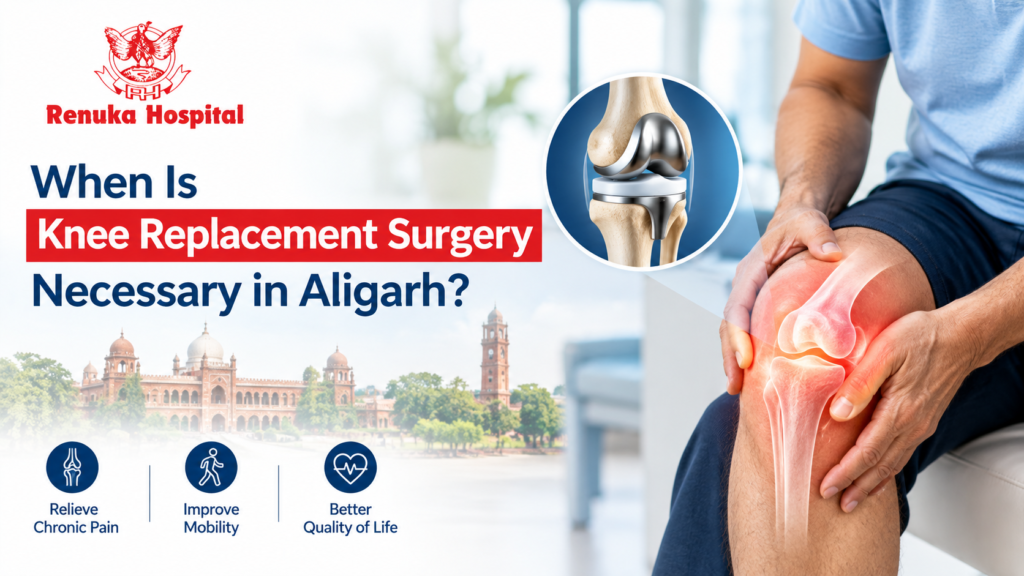
Bone fractures in adults can occur because of accidents, falls, sports injuries, weakened bones, or repetitive stress. While some fractures happen suddenly, others develop gradually due to underlying bone conditions. Understanding the causes and risk factors can help adults take preventive steps and seek timely medical attention.
If you are experiencing persistent bone pain or have suffered an injury, consulting an experienced orthopaedician in Aligarh can help determine the appropriate evaluation and treatment. Renuka Hospital Aligarh provides orthopedic care focused on accurate diagnosis, treatment planning, and recovery support.
What Are Bone Fractures in Adults?
A fracture is a partial or complete break in a bone. It can range from a small crack to a complete break where the bone separates into multiple pieces. The severity depends on factors such as the location of the fracture, the force involved, and the condition of the bone.
Fractures may be classified as closed or open. A closed fracture does not break through the skin, whereas an open fracture involves a wound that exposes or communicates with the broken bone. Some fractures are also described as displaced, meaning the bone fragments have moved out of their normal alignment.
Common Causes of Bone Fractures
Falls and Accidental Injuries
Falls are among the most common causes of fractures, particularly among older adults. Falling on an outstretched hand can injure the wrist or forearm, while a sideways or direct fall can affect the hip. Slips on wet floors, falls from stairs, and accidents at home or work can also result in significant injuries.
Simple safety measures can reduce risk. Keep walkways clear, use adequate lighting, install handrails where appropriate, and wear suitable footwear.
Road and Vehicle Accidents
Car, motorcycle, and other road accidents can generate substantial force, causing fractures in the arms, legs, pelvis, ribs, or spine. Wearing seat belts, using appropriate protective equipment, and following traffic safety rules can reduce the likelihood or severity of injury.
Sports and Physical Activity
Sports involving running, jumping, sudden changes in direction, or physical contact can increase fracture risk. Football, basketball, cricket, cycling, and contact sports may cause traumatic injuries.
Stress Fractures
Not every fracture results from one major accident. Repetitive physical activity can create small cracks in bone, known as stress fractures. They are more common when training intensity increases suddenly or when the body does not receive adequate recovery.
Pain that consistently worsens during activity should not be ignored. Rest, appropriate training progression, proper footwear, and professional assessment can help prevent a minor injury from becoming more serious.
Osteoporosis and Reduced Bone Strength
One of the major reasons some adults fracture bones after relatively minor falls is reduced bone density. Osteoporosis causes bones to become weaker and more susceptible to breaking.
Age-Related Bone Changes
Bone mass can decrease with age, and the risk becomes particularly important in postmenopausal women because reduced estrogen levels can accelerate bone loss. Older men can also develop osteoporosis and related fractures.
Nutrition and Lifestyle Factors
Insufficient calcium and vitamin D, inadequate physical activity, smoking, excessive alcohol consumption, and certain medical conditions can contribute to poorer bone health. A balanced diet containing adequate protein, calcium, vitamin D, and other nutrients supports normal bone maintenance.
People concerned about osteoporosis may benefit from discussing bone-health assessment and appropriate screening with a healthcare professional.
Medical Conditions That Increase Fracture Risk
Certain medical conditions can weaken bones or increase the likelihood of falls. Osteoporosis is a well-known example, but other conditions affecting hormones, nutrient absorption, kidney function, or bone metabolism may also contribute.
Long-term use of certain medications, particularly prolonged corticosteroid therapy, can also affect bone strength. This does not mean patients should stop prescribed medicines on their own. Instead, discuss potential risks and monitoring requirements with the prescribing doctor.
Renuka Hospital Aligarh can be considered for professional orthopedic evaluation when an injury occurs or when recurring bone problems require further assessment.
Other Key Risk Factors
Several everyday and personal factors can influence fracture risk. Previous fractures, increasing age, poor balance, muscle weakness, vision problems, sedentary habits, and a history of falls can all contribute.
Work environments involving heights, heavy machinery, or repetitive physical activity may also increase the chance of injury. Athletes who increase their training load too quickly can be vulnerable to overuse injuries.
Family history may also be relevant, especially when assessing osteoporosis and bone density. Healthcare professionals may consider these factors alongside age, medical history, medications, lifestyle, and symptoms.
Warning Signs That Need Medical Attention
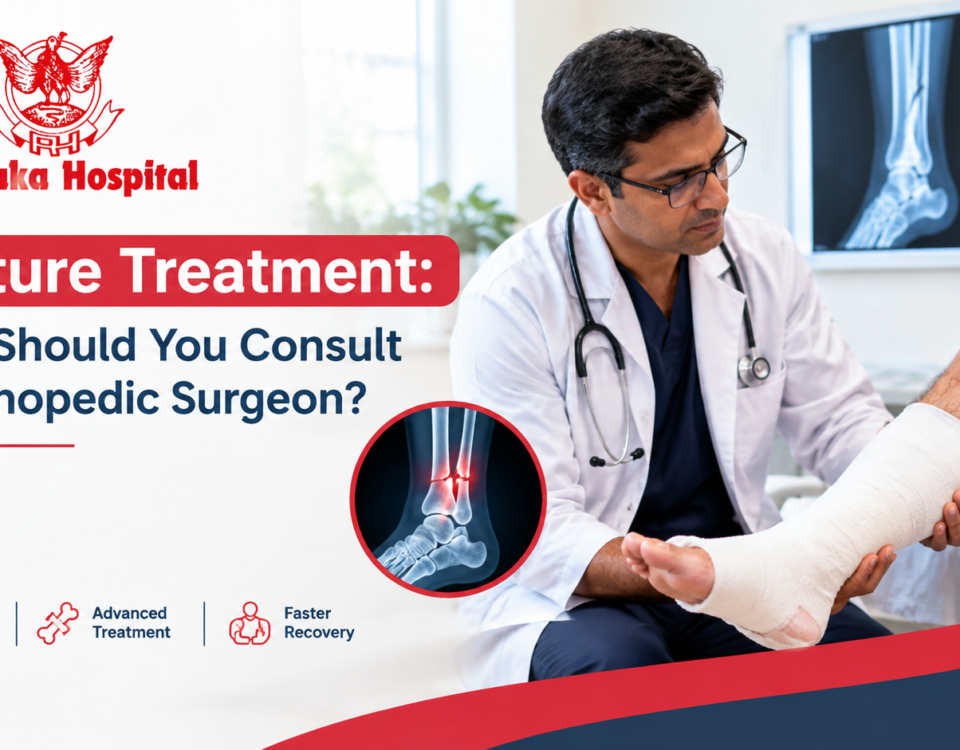
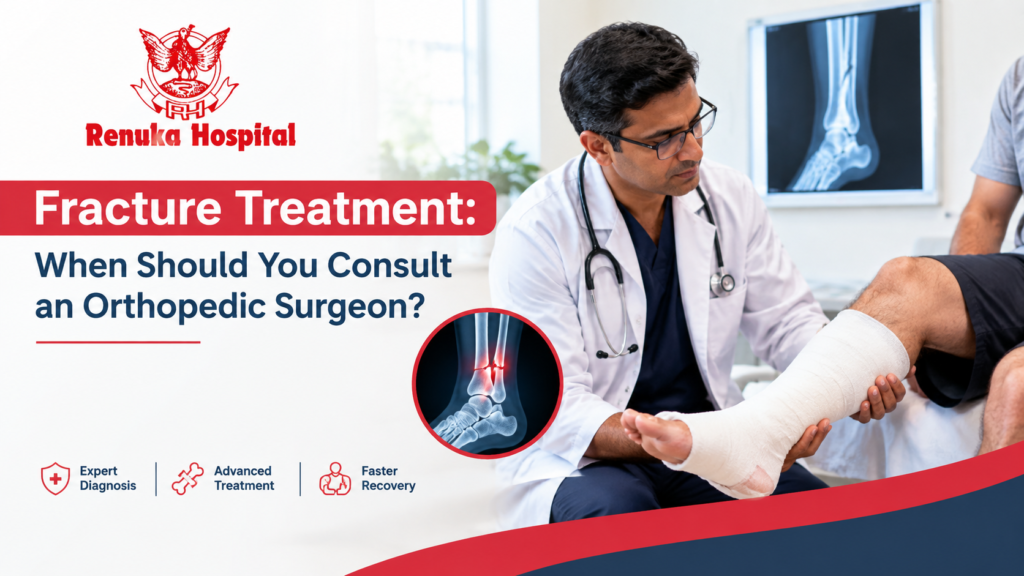
Common signs of a fracture include sudden pain, swelling, bruising, difficulty moving the affected area, tenderness, deformity, or inability to put weight on a limb. However, symptoms can vary depending on the type and location of injury.
Seek urgent medical attention after a serious accident, when a limb appears deformed, when there is significant bleeding, when bone is visible, or when there is numbness or loss of circulation.
Even when symptoms appear manageable, persistent pain following an injury should be evaluated rather than ignored.
How Are Fractures Diagnosed and Treated?
Doctors typically begin with a physical examination and medical history. Imaging tests such as X-rays are commonly used to identify fractures. Depending on the injury, additional imaging such as CT or MRI may sometimes be recommended.
Treatment depends on the fracture’s location, severity, alignment, and the patient’s overall health. Some fractures can be treated with immobilization using a cast or brace. Others may require reduction to realign the bone or surgery using plates, screws, rods, or other fixation methods.
For readers researching treatment options, a natural internal-linking opportunity is an orthopedic treatment or fracture treatment page where available.
Preventing Bone Fractures in Adults
Prevention involves protecting both bone strength and physical stability. Regular weight-bearing and resistance exercises can help maintain muscle and bone health. Adults should also focus on adequate nutrition, safe physical activity, fall prevention, and appropriate management of underlying medical conditions.
Practical Prevention Checklist
- Maintain adequate calcium and vitamin D intake through diet and supplements when medically appropriate.
- Perform regular strength, balance, and weight-bearing exercises.
- Avoid smoking and limit excessive alcohol consumption.
- Use protective equipment during sports and high-risk activities.
- Increase exercise intensity gradually rather than suddenly.
- Keep home floors and stairways free of hazards.
- Discuss osteoporosis screening if you have relevant risk factors.
- Review long-term medications with your doctor when appropriate.
An internal link to a bone health, orthopedic consultation, or osteoporosis treatment page can also help readers explore related information.
Quick Takeaways
The main causes of bone fractures in adults include falls, road accidents, sports injuries, repetitive stress, and weakened bones. Risk can be higher with advancing age, osteoporosis, poor nutrition, muscle weakness, previous fractures, certain medical conditions, and some long-term medications.
A fracture should not be diagnosed solely from symptoms because sprains and other injuries can sometimes appear similar. Professional assessment and appropriate imaging can help establish an accurate diagnosis and guide treatment.
When Should You See an Orthopedic Specialist?
Consider medical evaluation when pain persists after an injury, swelling increases, movement becomes difficult, or you cannot comfortably bear weight on an affected limb. Immediate assessment is especially important after high-impact accidents or when there is visible deformity or an open wound.
Early diagnosis can help prevent complications and support appropriate recovery. Depending on the injury, treatment may include immobilization, medication for pain control, rehabilitation, or surgical intervention.
Conclusion
Understanding the causes of bone fractures in adults can help people recognize preventable risk factors and respond appropriately when injuries occur. Falls, accidents, sports activities, stress injuries, osteoporosis, nutritional deficiencies, and certain health conditions can all affect fracture risk. Maintaining bone strength, improving balance, following safety measures, and seeking timely medical care are important parts of prevention and recovery.
If you have persistent bone pain, a suspected fracture, or concerns about bone health, consult an orthopedic professional for an appropriate evaluation. Renuka Hospital Aligarh offers orthopedic care and can help patients understand their condition and available treatment options.
FAQs
1. What is the most common cause of fractures in adults?
Falls and accidental injuries are common causes, while weakened bones can make even minor falls more likely to result in a fracture.
2. Can osteoporosis cause fractures without a major injury?
Yes. Osteoporosis can weaken bones enough that a relatively minor fall or everyday movement may result in a fracture.
3. How can adults reduce their fracture risk?
Regular strength and balance exercises, adequate nutrition, fall prevention, safe sports practices, and management of bone-health conditions can help reduce risk.
4. How do I know if an injury is a fracture?
Pain, swelling, bruising, tenderness, restricted movement, deformity, or inability to bear weight may indicate a fracture. Imaging is often needed for confirmation.
5. When should I seek emergency care for a suspected fracture?
Seek urgent care after a serious accident, if the bone appears deformed or exposed, if there is significant bleeding, or if the affected area becomes numb or loses normal circulation.