Signs of Weak Bones You Should Not Ignore

Ankle Fracture: Symptoms, Treatment and Recovery
October 1, 2026
How Obesity Affects Your Bones and Joints: Causes, Risks & Prevention
October 7, 2026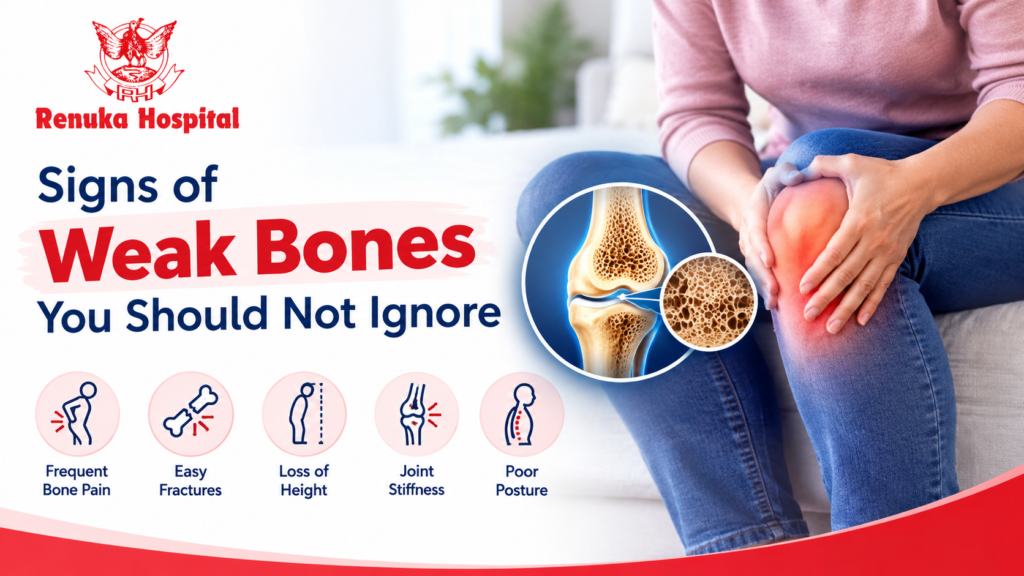
Bone health is essential for maintaining strength, mobility, balance, and overall well-being. However, bone weakness can develop gradually, often without noticeable symptoms early on. Recognising the signs of weak bones can help you seek medical advice before a minor problem develops into a serious fracture or mobility issue.
Factors such as ageing, nutritional deficiencies, hormonal changes, and a sedentary lifestyle can affect bone strength. At Renuka Hospital Aligarh, understanding bone health and seeking timely medical evaluation can help people make informed decisions about their care. Consulting the best Orthopaedician in Aligarh can help identify possible bone-related concerns and determine appropriate treatment or preventive measures.
What Signs of Weak Bones Should You Not Ignore?
Weak bones may not cause obvious symptoms until a fracture occurs. However, certain physical changes and recurring problems can indicate that your bones need medical attention. Recognising these warning signs early can help reduce complications and protect long-term mobility.
1. Frequent Fractures or Broken Bones
One of the most important signs of weak bones is experiencing fractures after minor falls or relatively mild injuries. Healthy bones can usually withstand everyday activities, while bones affected by osteoporosis may break more easily.
Fractures involving the wrist, hip, or spine can sometimes indicate reduced bone strength. If you experience repeated fractures or a break following a minor accident, consult a healthcare professional for further assessment.
2. Back Pain Without an Obvious Cause
Persistent back pain can have several causes, including muscle strain, spinal problems, and injuries. However, sudden or ongoing back pain may sometimes be associated with a compression fracture in the vertebrae.
These fractures can occur in people with osteoporosis, occasionally without a major injury. Seek medical evaluation if your back pain is severe, persistent, or accompanied by a noticeable change in posture.
3. Loss of Height Over Time
Losing height as you age should not always be dismissed as a normal part of getting older. A measurable reduction in height may occur when weakened vertebrae develop compression fractures.
Multiple spinal fractures can gradually shorten the spine and affect posture. Regular health check-ups can help identify these changes and determine whether a bone-density assessment is necessary.
Additional Signs of Weak Bones and Changes in Your Body
Some symptoms are less obvious and may be confused with ordinary ageing, fatigue, or lifestyle-related discomfort. These changes do not automatically mean that your bones are weak, but they may justify a medical assessment when persistent or unexplained.
4. Stooped Posture or a Curved Upper Back
A rounded upper back, sometimes called kyphosis, can develop for different reasons. In older adults, it may be associated with vertebral compression fractures caused by osteoporosis. These changes can affect balance, comfort, and everyday movement.
If you notice a progressive curve in your upper back or a change in your posture, consult a doctor rather than assuming it is simply age-related.
5. Reduced Grip Strength and Difficulty with Everyday Activities
Difficulty opening jars, carrying shopping bags, climbing stairs, or rising from a chair can reflect reduced muscle strength, joint problems, or other health concerns. These symptoms alone are not reliable indicators of weak bones.
However, reduced muscle strength can increase the risk of falls, which may lead to fractures in people with low bone density. Strengthening exercises, balance training, and a professional assessment can help address these concerns.
6. Bone Pain or Tenderness After Minor Injuries
Bone pain is not a typical early symptom of uncomplicated osteoporosis. However, pain or tenderness following an injury may indicate a fracture or another underlying condition.
Persistent pain should not be ignored, especially if it limits movement or occurs after a minor fall. Avoid self-diagnosing the cause, and seek medical advice to determine whether imaging or other investigations are required.
What Causes Bones to Become Weak?
Understanding the causes of bone weakness can help you identify risk factors and take appropriate preventive steps. Bone strength depends on a combination of nutrition, hormones, physical activity, genetics, and overall health.
Common Risk Factors
- Ageing: Bone density may decline with age, particularly after menopause in women.
- Calcium deficiency: Inadequate calcium intake can affect normal bone maintenance.
- Vitamin D deficiency: Low vitamin D levels can interfere with calcium absorption.
- Hormonal changes: Reduced oestrogen or testosterone levels may contribute to bone loss.
- Physical inactivity: Limited weight-bearing activity can reduce the stimulus needed to maintain strong bones.
- Smoking and excessive alcohol consumption: Both can negatively affect bone health.
- Certain medications and medical conditions: Long-term corticosteroid use and some hormonal, digestive, or endocrine disorders may increase the risk of osteoporosis.
A family history of osteoporosis, low body weight, previous fractures, and early menopause can also increase risk. People with these factors may benefit from discussing bone health screening with their healthcare provider.
How Are Weak Bones Diagnosed?
Recognising the signs of weak bones is only the first step. A healthcare professional can review your symptoms, medical history, medications, lifestyle, and fracture risk before recommending appropriate investigations.
Bone Density Testing
A dual-energy X-ray absorptiometry (DXA or DEXA) scan measures bone mineral density, commonly at the hip and spine. It helps assess whether bone density is normal, low, or within the osteoporosis range. Your doctor will determine whether this test is appropriate based on your age, risk factors, and medical history.
Blood Tests and Imaging
Blood tests may be recommended to investigate vitamin D deficiency, calcium-related abnormalities, or other conditions affecting bone health. X-rays and other imaging tests may be necessary when a fracture is suspected. At Renuka Hospital Aligarh, patients can explore appropriate orthopaedic evaluation and discuss their symptoms with a qualified healthcare professional.
Practical Ways to Improve Bone Health
Although not every cause of bone weakness can be prevented, healthy habits can support bone strength and reduce the risk of falls and fractures.
- Eat calcium-rich foods: Include milk, yoghurt, cheese, fortified foods, leafy greens, and other suitable calcium sources.
- Maintain adequate vitamin D: Discuss sunlight exposure, dietary sources, and supplementation with your healthcare provider when needed.
- Exercise regularly: Walking, resistance training, and suitable weight-bearing activities can support bone and muscle health.
- Improve balance: Appropriate balance exercises may reduce the likelihood of falls.
- Avoid smoking: Smoking cessation can support better long-term bone health.
- Limit alcohol: Avoid excessive alcohol consumption.
- Review medications: Ask your doctor whether any long-term medication could affect bone density.
- Attend recommended screenings: People at increased risk should discuss bone-density testing and fracture prevention with a healthcare professional.
Do not begin high-dose calcium or vitamin D supplements without professional guidance, particularly if you have kidney disease or other medical conditions.
When Should You See a Doctor?
You should seek medical advice if you experience repeated fractures, persistent unexplained back pain, noticeable height loss, or a gradual change in posture. These problems may have several causes, so a proper assessment is important.
Sudden severe back or hip pain after a fall, inability to stand or bear weight, or a suspected fracture requires urgent medical evaluation. If you experience sudden back pain with new leg weakness, numbness around the groin, or loss of bladder or bowel control, seek emergency care.
Early assessment can help identify underlying problems and guide treatment before further complications occur. People with osteoporosis may benefit from prescribed medication, nutritional support, fall-prevention measures, and an individualised exercise plan.
Conclusion
Recognising the signs of weak bones early can help protect your mobility, independence, and quality of life. Frequent fractures, unexplained back pain, gradual height loss, and changes in posture deserve attention, particularly when you have additional risk factors for osteoporosis. Although some bone conditions develop silently, timely screening can identify low bone density and help guide preventive care.
A balanced diet, adequate calcium and vitamin D, regular appropriate exercise, and fall-prevention strategies can all contribute to healthier bones. If you are concerned about your symptoms, consult a qualified healthcare professional instead of relying on self-diagnosis. For further information about orthopaedic services and evaluation, visit Renuka Hospital Aligarh and discuss your concerns with an appropriate medical specialist.
Frequently Asked Questions (FAQs)
1. What are the earliest signs of weak bones?
Early bone loss often causes no symptoms. A fracture after a minor injury may be the first noticeable indication.
2. Can weak bones become strong again?
Bone health may improve with appropriate nutrition, exercise, treatment of underlying conditions, and prescribed medication when necessary. Results depend on the cause and severity.
3. Which vitamin is important for bone strength?
Vitamin D helps the body absorb calcium, while calcium is essential for maintaining bones. Both should be obtained in appropriate amounts.
4. How can I check whether my bones are weak?
A healthcare professional can assess your risk factors and recommend a DXA scan or other tests when appropriate.
5. At what age should I get a bone density test?
Screening recommendations depend on age, sex, fracture history, and individual risk factors. Women aged 65 and older and men aged 70 and older are commonly considered for screening; younger adults may also need testing when risk factors are present. Consult your doctor for personalised guidance.