How to Keep Your Bones and Joints Healthy: Essential Tips for Wellness

Key Benefits of Laprosonic Surgery for Faster Patient Recovery
April 29, 2026
Common Causes of Knee Pain: Diagnosis, Treatment, and Prevention
June 27, 2026
Healthy bones and joints are the foundation of an active and pain-free life. Whether you’re young, middle-aged, or a senior, maintaining strong bones and flexible joints helps improve mobility, reduce injury risk, and support overall well-being. By adopting healthy habits early and staying consistent, you can protect your musculoskeletal system for years to come.
In this guide, you’ll discover practical strategies, lifestyle recommendations, and essential tips for healthy bone care to help you stay active and independent.
Why Healthy Bones and Joints Matter
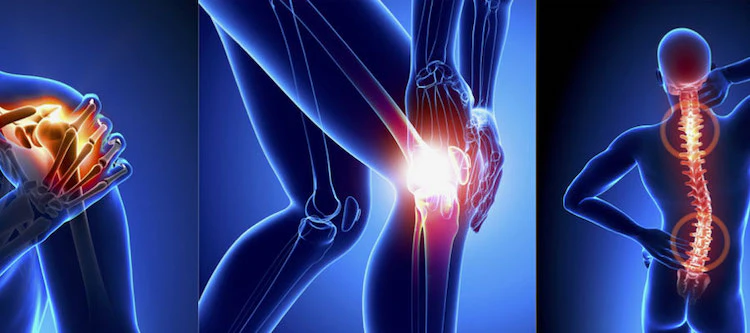
Your bones and joints work together to support body movement, maintain posture, and protect vital organs. As we age, bone density naturally decreases, while cartilage may wear down, increasing the risk of fractures, osteoporosis, and arthritis.
The good news is that a balanced diet, regular exercise, and preventive healthcare can significantly improve bone strength and joint flexibility. Making small, consistent lifestyle changes today can reduce future complications and improve your quality of life.
Essential Habits for Strong Bones and Flexible Joints
The following habits are among the most effective ways to keep your bones and joints healthy throughout every stage of life.
| Healthy Habit | Benefits |
| Eat calcium-rich foods | Supports bone density and strength |
| Get enough Vitamin D | Improves calcium absorption |
| Perform weight-bearing exercise | Strengthens bones and muscles |
| Maintain a healthy weight | Reduces stress on joints |
| Stay hydrated | Helps lubricate joints |
| Avoid smoking and excessive alcohol use | Prevents bone loss |
| Schedule regular health check-ups | Detects problems early |
Eat a Nutrient-Rich Diet
Nutrition plays a critical role in maintaining bones and joints. Calcium remains the primary mineral for bone health, while Vitamin D helps your body absorb calcium efficiently.
Include foods such as:
- Dairy products like milk, yogurt, and cheese
- Green leafy vegetables
- Almonds and sesame seeds
- Fatty fish such as salmon and sardines
- Eggs and fortified cereals
Protein, magnesium, phosphorus, and Vitamin K also contribute to stronger bones and better joint function. A colorful, balanced diet provides the nutrients your body needs for long-term musculoskeletal health.
Stay Active with Regular Exercise
Exercise is one of the most effective ways to strengthen bones and joints naturally. Weight-bearing and resistance exercises stimulate bone formation while improving muscle strength, balance, and coordination.
Recommended activities include:
- Brisk walking
- Strength training
- Yoga
- Pilates
- Stair climbing
- Dancing
- Low-impact cycling
- Swimming for joint mobility
Aim for at least 150 minutes of moderate physical activity each week, along with muscle-strengthening exercises on two or more days.
Maintain a Healthy Weight
Excess body weight places additional pressure on weight-bearing joints, especially the knees, hips, and lower back. Maintaining a healthy weight helps reduce joint wear, minimizes inflammation, and lowers the risk of osteoarthritis.
Combining balanced nutrition with regular physical activity is the most sustainable approach to achieving and maintaining an ideal weight.
Prevent Injuries Before They Happen
Protecting your bones and joints from injuries is just as important as strengthening them. Simple preventive measures can significantly reduce the risk of fractures and joint damage.
Some practical safety tips include:
- Warm up before exercising.
- Stretch after workouts.
- Wear supportive footwear.
- Practice proper lifting techniques.
- Use protective gear during sports.
- Improve home safety to prevent falls.
These preventive habits become increasingly important with age as bone density naturally declines.
Don’t Ignore Early Warning Signs
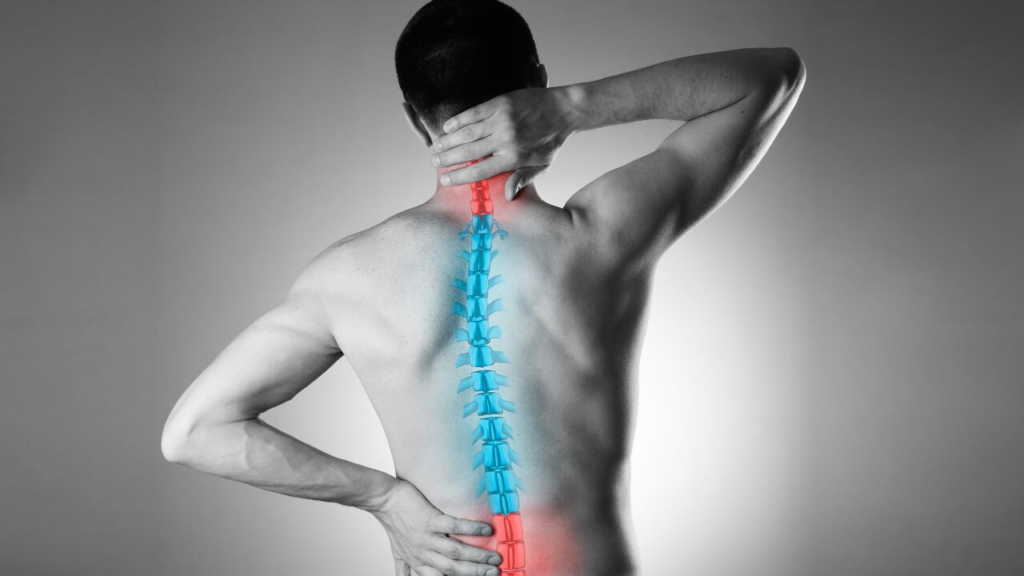
Persistent joint pain, swelling, stiffness, or reduced mobility should never be overlooked. Early diagnosis often leads to better treatment outcomes and can help prevent long-term damage.
If symptoms continue for several weeks or interfere with daily activities, consult a qualified orthopaedic specialist. Those searching for the best orthopaedician & orthopaedic surgeons in aligarh should choose experienced professionals who provide comprehensive evaluation, advanced diagnostic facilities, and personalized treatment plans.
Lifestyle Choices That Support Long-Term Bone Health
Several everyday habits directly influence the health of your bones and joints.
Positive lifestyle choices include:
- Getting 7–9 hours of quality sleep
- Staying hydrated throughout the day
- Managing stress effectively
- Limiting processed foods and sugary beverages
- Avoiding tobacco products
- Reducing excessive alcohol consumption
Regular health screenings, including bone density testing for high-risk individuals, can also identify potential problems before they become serious.
Quick Takeaways
- Eat calcium- and Vitamin D-rich foods daily.
- Exercise consistently with weight-bearing and strength-training activities.
- Maintain a healthy body weight.
- Stay hydrated and sleep well.
- Protect yourself from falls and sports injuries.
- Avoid smoking and excessive alcohol.
- Seek medical advice for persistent pain or stiffness.
- Schedule regular preventive health check-ups.
You may also find it helpful to read our guides on osteoporosis prevention, arthritis management, healthy aging, nutrition for active lifestyles, and physiotherapy exercises to build a stronger understanding of lifelong musculoskeletal health.
Conclusion
Taking care of your bones and joints is an investment in your long-term health and independence. Healthy eating, regular exercise, proper posture, injury prevention, and timely medical care all contribute to stronger bones, greater flexibility, and improved mobility. Small daily improvements often lead to lasting results, helping you stay active and enjoy a better quality of life at every age. By making these wellness habits part of your routine today, you’ll build a stronger foundation for a healthier tomorrow.