Common Causes of Knee Pain: Diagnosis, Treatment, and Prevention

How to Keep Your Bones and Joints Healthy: Essential Tips for Wellness
June 26, 2026
Early Signs You Should Consult an Orthopedic Surgeon for Better Recovery
July 1, 2026
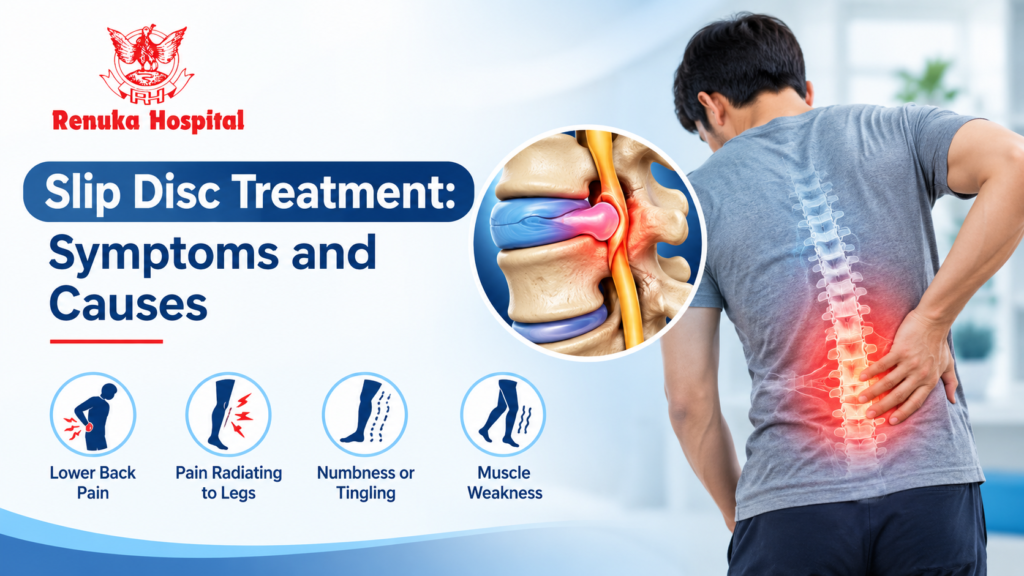
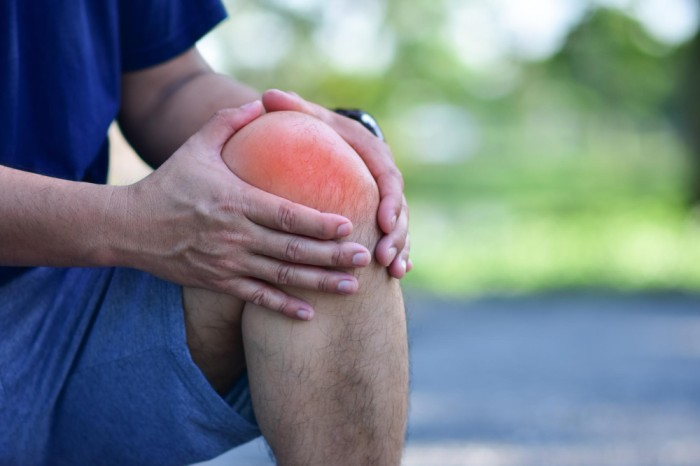
Knee pain is one of the most common musculoskeletal complaints affecting people of all ages, from athletes to older adults. Understanding causes of knee pain is essential for early intervention and long-term joint health, as the knee is a weight-bearing joint exposed to constant stress during walking, running, and daily activities. Early recognition can prevent chronic damage and improve mobility outcomes significantly.
Overview of Underlying Triggers
The causes of knee pain are often linked to multiple lifestyle and medical factors. These include overuse, injury, poor posture, and degenerative conditions. Key contributors include:
- Excess body weight increases joint stress
- Weak thigh and calf muscles
- Sudden increase in physical activity
- Improper footwear or walking patterns
- Age-related cartilage wear
Addressing these factors early can significantly reduce long-term complications.
Sports Injuries and Trauma
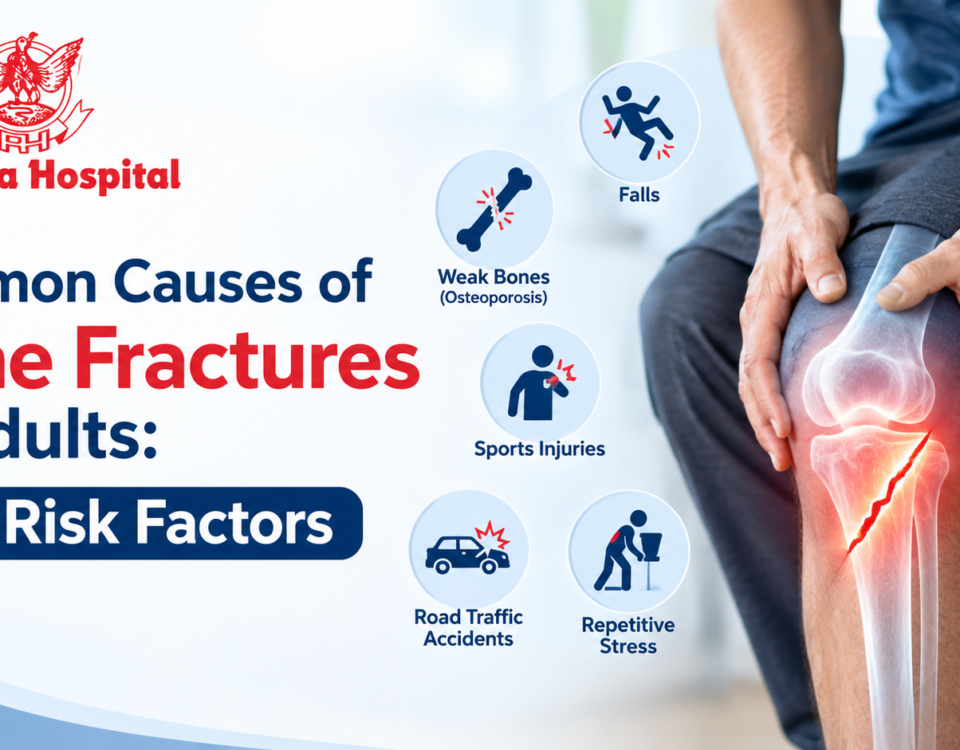
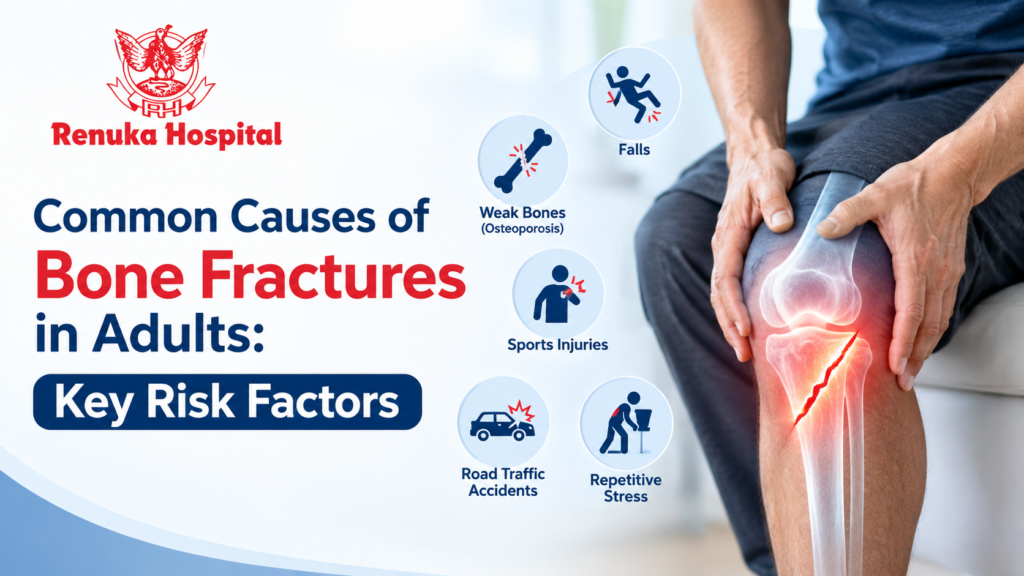
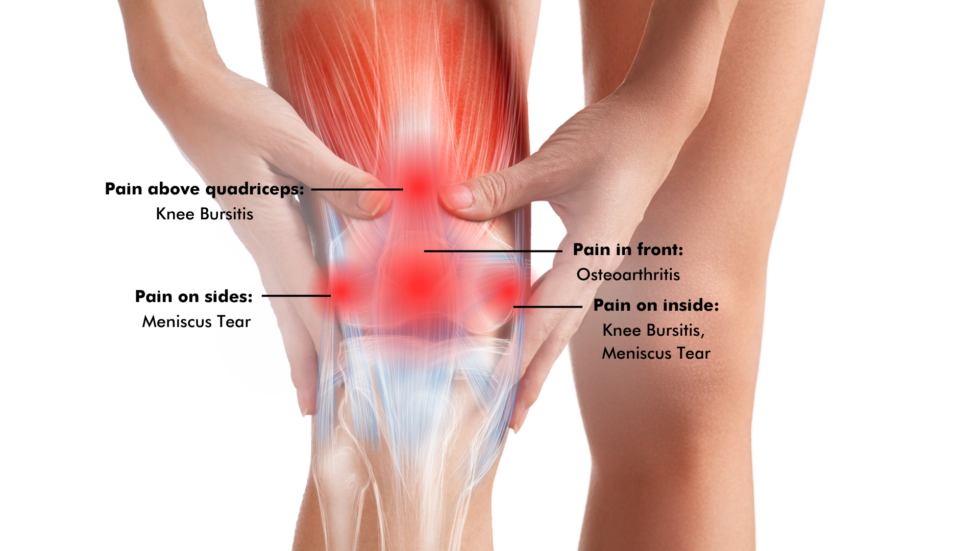
Acute injuries are a major contributor to knee discomfort, especially among athletes and physically active individuals. Ligament tears, meniscus injuries, and tendon strains often develop due to sudden twists, falls, or high-impact movements.
These conditions are common causes of knee pain and may lead to swelling, instability, and restricted movement if not treated promptly. Immediate rest, ice application, and medical evaluation are critical to prevent worsening damage and ensure proper recovery.
Arthritis and Degenerative Conditions
One of the most significant medical concerns linked to knee discomfort is arthritis, particularly osteoarthritis. Age-related cartilage wear leads to stiffness, swelling, and reduced mobility. Inflammatory conditions like rheumatoid arthritis can also damage joint tissues over time.
These degenerative processes are key causes of knee pain, often requiring long-term management strategies such as physiotherapy, medication, and lifestyle modification to slow progression and maintain quality of life.
Diagnosis and Clinical Evaluation
Accurate diagnosis is essential for identifying the root problem and planning effective treatment. Physicians typically begin with a physical examination followed by imaging tests such as X-rays, MRI, or CT scans.
Blood tests may also be recommended in cases of suspected infection or autoimmune conditions. Consulting a specialist such as the best orthopaedician in aligarh can help ensure precise diagnosis and tailored treatment planning.
A proper assessment helps distinguish between structural damage and inflammatory conditions contributing to symptoms.
Treatment Options and Medical Management
Treatment depends on severity and underlying condition. Conservative approaches include rest, physiotherapy, pain relievers, and anti-inflammatory medications. In more severe cases, injections or minimally invasive procedures may be recommended.
Surgical intervention is reserved for advanced damage or persistent instability. Many causes of knee pain can be effectively managed with early intervention, preventing the need for surgery and improving long-term joint function. Patients are often advised to follow structured rehabilitation programs to restore strength and flexibility.
Common Treatment Approaches Table
| Condition Type | Treatment Approach | Expected Recovery Time |
| Ligament Injury | Physiotherapy, bracing, surgery (if severe) | 4–12 weeks |
| Osteoarthritis | Medication, exercise, and weight management | Long-term management |
| Meniscus Tear | Rest, arthroscopy if needed | 3–8 weeks |
| Tendonitis | Rest, ice therapy, and anti-inflammatory drugs | 2–6 weeks |
| Rheumatoid Arthritis | Immunotherapy, lifestyle changes | Ongoing care |
Rehabilitation and Advanced Care
Rehabilitation is a critical step in restoring knee strength and mobility after injury or surgery. Without proper rehab, the recurrence risk increases significantly.
Key rehabilitation practices include:
- Strength training for quadriceps and hamstrings
- Balance and stability exercises
- Gradual return to physical activity
- Physiotherapist-guided movement plans
Patients recovering from surgery should also follow structured guidance, such as post knee transplant tips for faster recovery, which focus on gradual mobility, pain control, and consistent physiotherapy. Addressing causes of knee pain during rehab ensures long-term stability and reduced risk of reinjury.
Prevention Strategies for Long-Term Joint Health
Preventing knee issues requires a combination of healthy lifestyle choices and physical conditioning. Maintaining an optimal body weight reduces pressure on the knee joint, while regular exercise strengthens surrounding muscles for better support.
Stretching before and after workouts improves flexibility and reduces the risk of injury. Wearing proper footwear and avoiding sudden high-impact activities are also important preventive measures.
Many causes of knee pain can be avoided by adopting these habits early, especially for individuals with physically demanding routines or sedentary lifestyles. Incorporating low-impact exercises such as swimming or cycling can further protect joint health while improving endurance.
Conclusion
Knee pain is a complex condition influenced by multiple factors, ranging from injury to degenerative diseases. Understanding causes of knee pain helps individuals take proactive steps toward prevention, timely diagnosis, and effective treatment.
With early medical intervention, structured rehabilitation, and lifestyle modifications, most knee conditions can be managed successfully without long-term disability. Awareness of causes of knee pain also empowers individuals to make informed decisions about physical activity and joint care.
Ultimately, consistent prevention and proper medical guidance remain the most effective strategies for maintaining healthy, pain-free knees throughout life.