Transform Your Recovery with Modern Slip Disc Treatment Options

What is the IVF process and how successful is it?
March 6, 2026
8 Essential Facts to Understand Infertility in Men and Women in India
March 26, 2026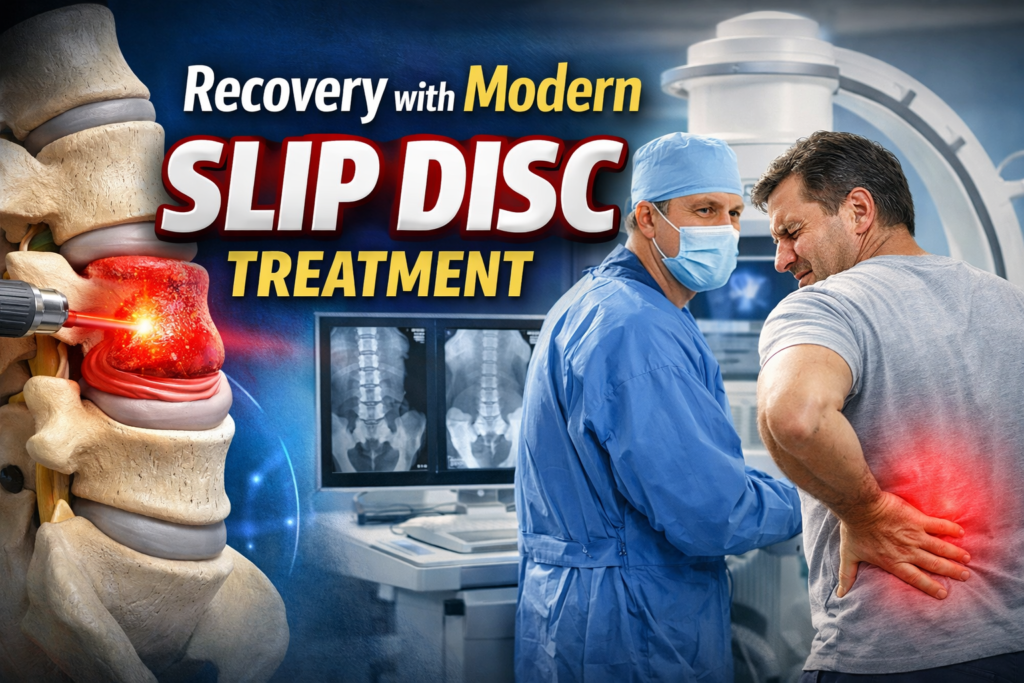
Back pain is one of the most common health concerns worldwide, and a slip disc—also known medically as a herniated or prolapsed disc—is a frequent cause. It can disrupt daily activities, affect work productivity, and reduce overall quality of life. Fortunately, advancements in medical science now offer modern slip disc treatment options that focus on faster recovery, less pain, and improved long-term spine health.
In this article, we will explore what a Slip Disc Treatment Options is, its causes and symptoms, modern treatment options available today, and practical tips to support recovery. This guide is intended for educational purposes and follows general medical information guidelines recommended for reliable health content.
Understanding a Slip Disc
The human spine is made up of small bones called vertebrae, separated by soft cushions known as intervertebral discs. These discs act as shock absorbers and help the spine move smoothly.
A Slip Disc Treatment Options occurs when the soft inner material of a disc pushes out through its outer layer. This can irritate or compress nearby nerves, leading to pain and other symptoms.
Despite the common term “slipped disc,” the disc does not actually slip out of place. Instead, it bulges or herniates.
Common Causes of Slip Disc
Several factors can contribute to a herniated disc. Understanding these causes can help in prevention and early treatment.
1. Age-Related Degeneration
As people age, spinal discs gradually lose water content and flexibility. This makes them more prone to tears or ruptures.
2. Poor Posture
Prolonged sitting, incorrect lifting techniques, and poor ergonomics can place excessive pressure on spinal discs.
3. Sudden Injury
Heavy lifting, twisting motions, or sports injuries can lead to disc herniation.
4. Sedentary Lifestyle
Lack of regular exercise weakens the muscles that support the spine.
5. Obesity
Excess body weight increases stress on the lower back.
Symptoms of a Slip Disc
Symptoms vary depending on the location and severity of the disc problem.
Common symptoms include:
- Persistent lower back or neck pain
- Pain radiating down the arms or legs
- Numbness or tingling sensations
- Muscle weakness
- Difficulty bending, sitting, or standing for long periods
If symptoms become severe—such as loss of bladder control or extreme weakness—immediate medical attention is required.
Modern Slip Disc Treatment Options
Advancements in spinal care have introduced several effective and minimally invasive treatments with a high success rate. Most patients recover successfully with non-surgical approaches, leading to improved mobility, reduced pain, and a quicker return to normal activities.
1. Conservative Treatment (First-Line Care)
Doctors usually begin with conservative treatments before considering surgery.
Rest and Activity Modification
Short periods of rest combined with gradual return to movement can reduce pressure on the spine.
Pain Management
Doctors may recommend medications such as:
- Anti-inflammatory drugs
- Muscle relaxants
- Pain relievers
These help reduce inflammation and discomfort.
2. Physiotherapy and Rehabilitation
Physiotherapy is one of the most effective ways to treat slip disc problems.
A trained physiotherapist may guide patients through:
- Stretching exercises
- Core strengthening routines
- Posture correction techniques
- Mobility training
These exercises improve spinal stability and reduce the risk of future injury.
3. Advanced Non-Surgical Therapies
Modern medicine has introduced innovative non-surgical solutions.
Spinal Decompression Therapy
This therapy gently stretches the spine using specialized equipment to reduce pressure on discs and nerves.
Epidural Steroid Injections
These injections reduce inflammation around irritated nerves and provide pain relief for several weeks or months.
Chiropractic or Manual Therapy
Certain patients may benefit from spinal manipulation techniques performed by trained professionals.
However, such treatments should only be performed under medical supervision.
4. Minimally Invasive Spine Procedures
If conservative treatment does not improve symptoms, minimally invasive procedures may be recommended.
These procedures typically involve:
- Smaller incisions
- Reduced hospital stays
- Faster recovery times
Examples include:
Microdiscectomy
A surgeon removes the portion of the disc pressing on the nerve through a small incision.
Endoscopic Spine Surgery
A tiny camera and surgical tools are inserted through a small opening to treat the disc problem.
These modern techniques have significantly improved patient outcomes.
5. Surgical Treatment (When Necessary)
Surgery is usually recommended only when:
- Severe nerve compression occurs
- Pain persists for several months
- Non-surgical treatments fail
- There is progressive neurological weakness
Procedures such as discectomy or spinal fusion may be considered depending on the patient’s condition.
It is important to discuss the benefits and risks with a qualified spine specialist before making a decision.
Lifestyle Changes That Support Recovery
Treatment alone is not enough. Long-term recovery requires healthy lifestyle habits that support spinal health.
Maintain Good Posture
Proper posture while sitting, standing, and lifting helps reduce pressure on spinal discs.
Stay Physically Active
Low-impact activities such as:
- Walking
- Swimming
- Yoga
can strengthen muscles and improve flexibility.
Maintain a Healthy Weight
Excess weight puts extra stress on the spine, especially the lower back.
Use Ergonomic Furniture
Chairs with lumbar support and properly positioned workstations can reduce strain on the spine.
Avoid Heavy Lifting
If lifting is necessary, always bend at the knees and keep the back straight.
When to See a Spine Specialist
Many cases of Slip Disc Treatment Options improve with conservative treatment, but medical evaluation is important if:
- Pain lasts longer than a few weeks
- Numbness or weakness increases
- Pain spreads down the leg or arm
- Daily activities become difficult
Early diagnosis can prevent complications and lead to faster recovery.
The Importance of Personalized Treatment
Every patient’s spine condition is unique. Factors such as age, lifestyle, overall health, and severity of disc damage influence the treatment plan.
A personalized approach may combine several methods including physiotherapy, medication, and minimally invasive procedures to achieve the best results.
Consulting an experienced healthcare professional ensures safe and effective care.
Final Thoughts
Slip disc problems can be painful and frustrating, but modern medical advancements have made treatment more effective than ever before. From physiotherapy and spinal decompression to minimally invasive surgery, patients today have access to a wide range of options that promote faster recovery and long-term spine health. For those seeking expert care, consulting the best orthopaedician surgeons in aligarh can help ensure accurate diagnosis and the most suitable treatment plan for lasting relief.
With proper medical guidance, lifestyle changes, and early intervention, most individuals can return to their normal activities and maintain a healthy, pain-free spine.