Common Causes of Joint Pain and When to Seek Treatment

Understanding Back Pain: Causes, Diagnosis & Treatment Options
July 13, 2026
Tips for Maintaining Healthy Bones and Preventing Bone Loss Naturally
July 28, 2026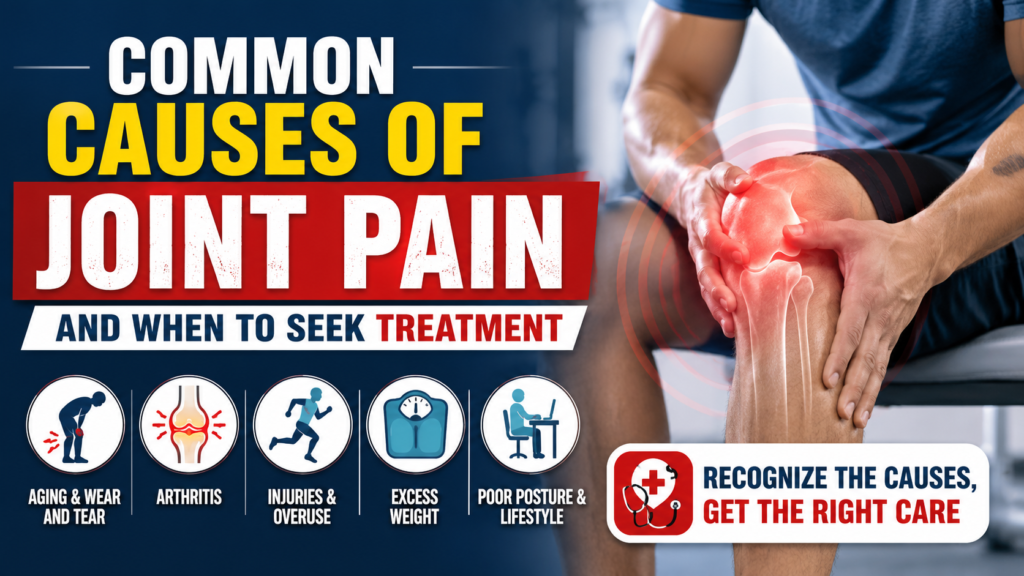
Joint pain can affect people of all ages and may range from mild discomfort to severe pain that limits everyday activities. Understanding the causes of joint pain is the first step toward proper treatment and long-term relief.
While occasional joint pain may improve with rest, persistent or worsening symptoms should never be ignored. Early diagnosis can prevent complications and improve mobility.
If you are looking for the best orthopaedician surgeons in aligarh, consulting an experienced specialist at the earliest signs of ongoing joint pain can help identify the underlying condition and recommend the most suitable treatment plan.
What Is Joint Pain?
Joint pain refers to discomfort, stiffness, or inflammation in one or more joints, including the knees, hips, shoulders, elbows, wrists, and ankles. It may develop suddenly after an injury or gradually due to aging, inflammation, or chronic medical conditions. Understanding the causes of joint pain helps patients recognize symptoms early and choose appropriate medical care.
Read More: Best Foods for Healthy Joints and Strong Bones Backed by Science
Common Causes of Joint Pain
There are several causes of joint pain, and identifying the exact reason is essential for effective treatment.
Osteoarthritis: The most common form of arthritis. It occurs when the protective cartilage that cushions the joints gradually wears away. This condition typically affects older adults but may also develop earlier due to previous injuries or repetitive stress. Symptoms include stiffness, pain during movement, swelling, and reduced flexibility.
Rheumatoid Arthritis: Rheumatoid arthritis is an autoimmune disease in which the body’s immune system attacks healthy joint tissues. It often affects multiple joints symmetrically and may cause prolonged morning stiffness, fatigue, swelling, and joint deformities if left untreated.
Joint Injuries: Sports injuries, accidents, and falls can damage ligaments, tendons, cartilage, or bones. Even after healing, previous injuries may increase the risk of chronic joint pain and reduced mobility.
Gout: Gout develops when uric acid crystals accumulate in the joints, most commonly affecting the big toe. It causes sudden episodes of intense pain, redness, warmth, and swelling. Proper diet and medication can effectively control this condition.
Bursitis and Tendinitis: Inflammation of the bursae or tendons surrounding a joint often results from repetitive movements or overuse. These conditions commonly affect the shoulders, elbows, hips, and knees.
Infections: Certain bacterial or viral infections may spread to the joints, causing pain, swelling, fever, and redness. Immediate medical attention is necessary to prevent permanent joint damage.
Read More: How to Keep Your Bones and Joints Healthy: Essential Tips for Wellness

Risk Factors That Increase Joint Pain
Several lifestyle and health factors contribute to the causes of joint pain, including:
- Increasing age
- Obesity
- Previous joint injuries
- Family history of arthritis
- Repetitive physical activities
- Lack of regular exercise
- Poor posture
- Autoimmune disorders
Managing these risk factors can significantly reduce the likelihood of developing chronic joint problems.
Symptoms That Should Not Be Ignored
Joint pain is not always a medical emergency, but certain symptoms require prompt evaluation. These include:
- Persistent pain lasting more than a few weeks
- Severe swelling or redness
- Difficulty walking or bearing weight
- Joint deformity
- Fever along with joint pain
- Sudden inability to move the joint
- Pain that interferes with daily activities
Recognizing these warning signs early helps doctors identify the causes of joint pain before complications develop.
When Should You Seek Medical Treatment?
Many people delay treatment, assuming joint pain is simply part of aging. However, early diagnosis often leads to better outcomes. You should seek professional care if:
- Pain continues despite rest and home remedies.
- Swelling becomes frequent or severe.
- The joint feels unstable or locks during movement.
- You notice recurring pain after physical activity.
- Symptoms progressively worsen over time.
Healthcare professionals may recommend physical examination, blood tests, X-rays, MRI scans, or ultrasound imaging to determine the causes of joint pain accurately.
Treatment Options for Joint Pain
Treatment depends on the underlying condition and severity of symptoms. Common approaches include:
Medications: Doctors may prescribe anti-inflammatory medications, pain relievers, disease-modifying drugs for autoimmune arthritis, or medications that reduce uric acid levels in gout.
Physical Therapy: A personalized exercise program improves flexibility, strengthens supporting muscles, and restores joint function while reducing pain.
Lifestyle Changes: Maintaining a healthy weight, staying physically active, following an anti-inflammatory diet, and avoiding repetitive strain can reduce joint stress and improve long-term outcomes.
Joint Injections: In some cases, corticosteroid or hyaluronic acid injections may provide temporary pain relief and improve mobility.
Surgical Treatment: Advanced joint damage may require arthroscopic procedures, ligament repair, or joint replacement surgery. Orthopaedic specialists recommend surgery only when conservative treatments no longer provide relief.
Practical Tips to Protect Your Joints
Preventive care plays an important role in reducing the causes of joint pain and maintaining healthy joints.
- Exercise regularly with low-impact activities like swimming or walking.
- Stretch before and after workouts.
- Maintain a healthy body weight.
- Eat foods rich in calcium, vitamin D, and omega-3 fatty acids.
- Stay hydrated throughout the day.
- Avoid smoking and excessive alcohol consumption.
- Use proper posture while working or lifting heavy objects.
- Wear supportive footwear during physical activities.
Small daily habits can make a significant difference in preserving joint health over time.

Quick Takeaways
- Early diagnosis improves treatment success.
- Not every joint pain is caused by aging.
- Healthy lifestyle choices reduce future joint problems.
- Persistent swelling, redness, or limited movement requires medical evaluation.
- Understanding the causes of joint pain helps prevent long-term complications through timely treatment.
Related Topics You May Also Read
To better understand joint health, consider exploring related resources such as:
- Early symptoms of arthritis
- Knee pain treatment options
- Exercises for stronger joints
- Foods that support bone and joint health
- Tips for preventing sports injuries
These internal resources can provide additional guidance and encourage proactive joint care.
Conclusion
Joint pain should never be considered a normal part of everyday life, especially when symptoms persist or worsen. The causes of joint pain range from simple overuse injuries to chronic conditions such as arthritis, autoimmune diseases, and infections. Recognizing symptoms early, maintaining healthy lifestyle habits, and seeking timely medical advice can prevent permanent joint damage and improve overall quality of life.
If your pain persists despite home care or begins to affect your daily routine, consult an orthopaedic specialist for a comprehensive evaluation and a personalized treatment plan. Early intervention remains the most effective way to protect your joints and maintain an active, pain-free lifestyle.