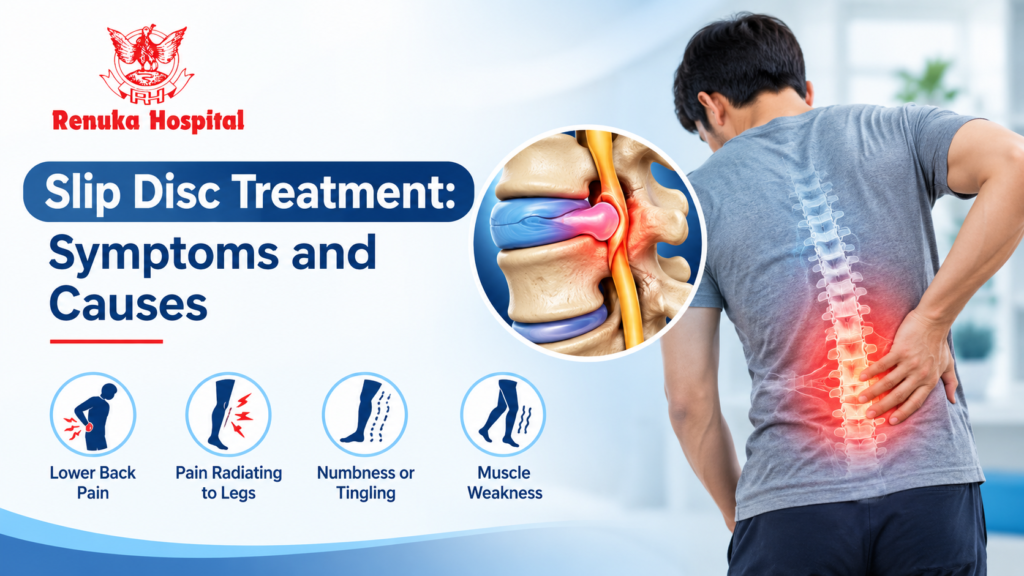
Common Causes of Knee Pain and When to See an Orthopedic Surgeon

When Should You See a Spine Surgeon: Common Back Pain Problems Explained
August 5, 2026
Knee Ligament Injury: Symptoms, Treatment, Recovery and Prevention
September 9, 2026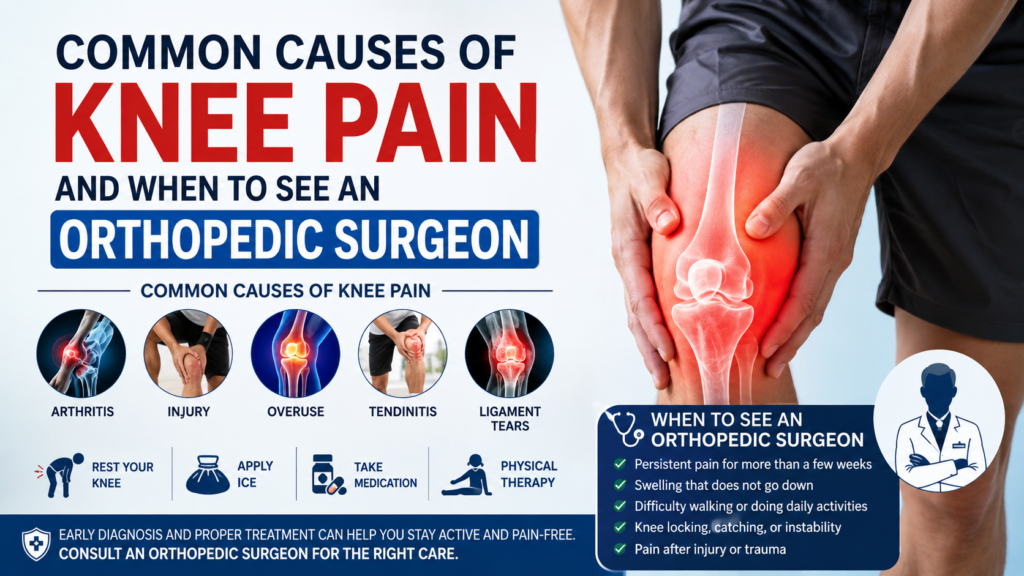
Knee pain is a common problem affecting people of all ages, from athletes and active adults to older individuals. It may develop suddenly after an injury or gradually because of joint wear, inflammation, or an underlying medical condition.
Understanding the cause of knee pain can help you choose the right treatment and prevent the problem from becoming worse. If pain persists, limits movement, or repeatedly returns, consulting experienced best orthopaedic surgeons in aligarh can help identify the underlying cause and determine an appropriate treatment plan.
What Are the Common Causes of Knee Pain?
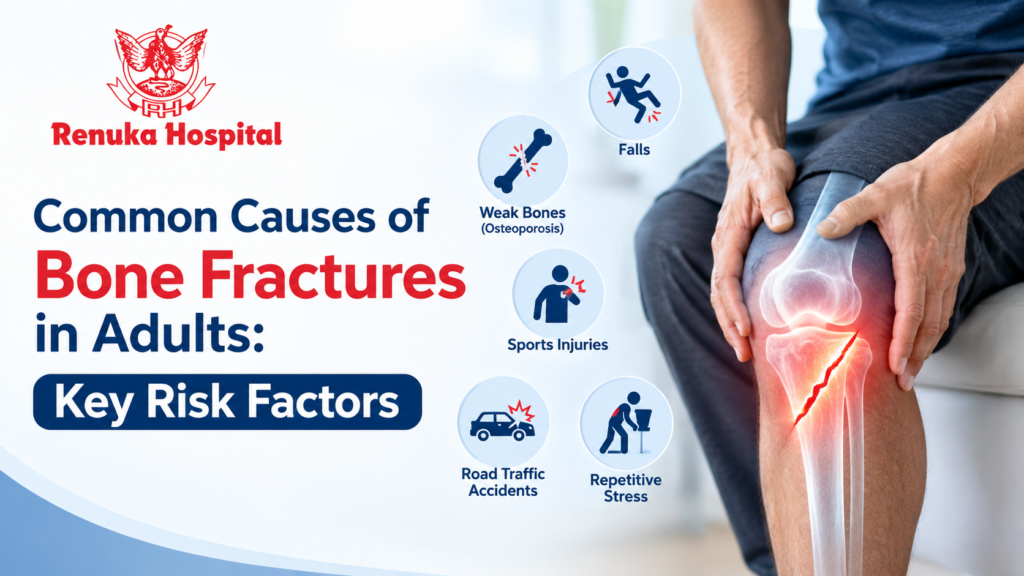
Knee pain can result from injuries, overuse, inflammation, age-related changes, or problems affecting the bones, muscles, ligaments, and cartilage surrounding the joint. Some common causes include:
1. Osteoarthritis
Osteoarthritis is one of the most common causes of chronic knee pain, particularly among older adults. It occurs when the protective cartilage inside the knee gradually wears down. This can cause pain, stiffness, swelling, reduced flexibility, and difficulty walking or climbing stairs.
Symptoms often become more noticeable after prolonged activity or after sitting for a long time.
2. Sports and Exercise Injuries
Sudden movements, falls, twisting, or direct impacts can damage structures inside the knee. Common injuries include anterior cruciate ligament (ACL) tears, meniscus injuries, ligament sprains, and cartilage damage.
Athletes involved in football, cricket, basketball, running, and other high-impact activities may have a higher risk of these injuries.
3. Tendinitis
Tendinitis occurs when a tendon around the knee becomes irritated or inflamed, often because of repetitive activity. Patellar tendinitis, sometimes called jumper’s knee, commonly affects people who participate in jumping or running activities.
Pain may become worse when climbing stairs, squatting, jumping, or exercising.
4. Bursitis
Small fluid-filled sacs called bursae help reduce friction around the knee. Repetitive pressure or injury can cause these sacs to become inflamed, resulting in swelling, tenderness, and pain.
Kneeling frequently for work or certain activities can increase the risk of knee bursitis.
5. Gout and Inflammatory Conditions
Sudden and intense knee pain accompanied by swelling, warmth, and redness may sometimes be related to gout or another inflammatory condition. These problems require proper medical evaluation because their treatment differs from ordinary mechanical knee pain.
6. Muscle Weakness and Poor Movement Patterns
Weak muscles around the thighs, hips, and legs can place additional stress on the knee joint. Poor exercise technique, sudden increases in physical activity, inappropriate footwear, or lack of conditioning may also contribute to discomfort.
Also read: When Should You See a Spine Surgeon: Common Back Pain Problems Explained
When Should You See an Orthopedic Surgeon for Knee Pain?
Not every episode of knee pain requires surgery or specialist treatment. However, you should consider seeing an orthopedic specialist when pain is persistent, severe, or affecting your normal activities.
Seek professional evaluation if you experience:
- Knee pain lasting several days or repeatedly returning
- Significant swelling around the joint
- Difficulty walking or putting weight on the leg
- A feeling that the knee is unstable or giving way
- Locking or inability to fully bend or straighten the knee
- Severe pain following an accident or sports injury
- Persistent stiffness that interferes with daily activities
- Pain that does not improve with rest and basic home care
A specialist can evaluate your symptoms, physical movement, medical history, and injury history. Depending on the suspected cause, diagnostic tests such as X-rays, ultrasound, or MRI may be recommended.

When Is Knee Pain an Emergency?
Some knee symptoms require prompt medical attention. Severe pain after a major injury, an obvious deformity, inability to bear weight, rapidly increasing swelling, or a hot and severely painful joint accompanied by fever should not be ignored.
These symptoms may indicate a serious injury, infection, or another condition requiring urgent assessment.
How Is Knee Pain Diagnosed?
Diagnosis begins with a detailed examination. An orthopedic specialist may ask when the pain started, whether an injury occurred, what activities make it worse, and whether symptoms such as swelling, stiffness, clicking, or instability are present.
The doctor may examine the knee’s range of motion, strength, stability, and tenderness. Imaging or laboratory tests may then be used when necessary.
Accurate diagnosis is important because knee pain caused by arthritis may require a different approach from pain caused by a ligament injury or inflammation.
Treatment Options for Knee Pain
Treatment depends on the cause and severity of the problem. Mild conditions may improve with conservative measures such as rest, activity modification, physical therapy, appropriate exercises, and doctor-recommended medication.
Other treatments may include:
- Physiotherapy to improve strength and flexibility
- Bracing or supportive devices when appropriate
- Weight management to reduce stress on the knee
- Injections for selected conditions
- Treatment of underlying inflammatory or metabolic problems
- Surgical procedures when significant structural damage requires correction
Surgery is generally considered only when appropriate non-surgical treatments have not provided sufficient improvement or when there is a significant injury requiring surgical repair.
Practical Tips to Protect Your Knees
You can reduce unnecessary stress on your knees by maintaining a healthy weight, strengthening the muscles around your hips and thighs, warming up before exercise, increasing workout intensity gradually, and using suitable footwear.
Avoid suddenly increasing running distance, jumping exercises, or heavy training after a long period of inactivity. If an exercise consistently causes pain, stop and seek professional advice rather than repeatedly pushing through it.
Quick Takeaways
- Knee pain can result from arthritis, injuries, overuse, inflammation, or muscle weakness.
- Persistent or recurring pain should be professionally evaluated.
- Swelling, instability, locking, or difficulty bearing weight can indicate a more significant problem.
- Severe pain after an injury or a hot, swollen knee with fever requires prompt medical attention.
- Early diagnosis can help prevent certain knee problems from worsening.
- Treatment may include physiotherapy, lifestyle changes, medication, injections, or surgery depending on the underlying cause.
Final Thoughts
Knee pain should not always be dismissed as a normal part of aging or physical activity. Identifying the underlying cause is essential for choosing effective treatment and protecting long-term joint function. If knee pain persists, interferes with everyday activities, or follows a significant injury, an orthopedic evaluation can provide clarity and help guide the next steps. Early professional assessment, appropriate exercise, and healthy lifestyle habits can play an important role in maintaining comfortable and functional knees.