Early Signs You Should Consult an Orthopedic Surgeon for Better Recovery

Common Causes of Knee Pain: Diagnosis, Treatment, and Prevention
June 27, 2026
Best Foods for Healthy Joints and Strong Bones Backed by Science
July 4, 2026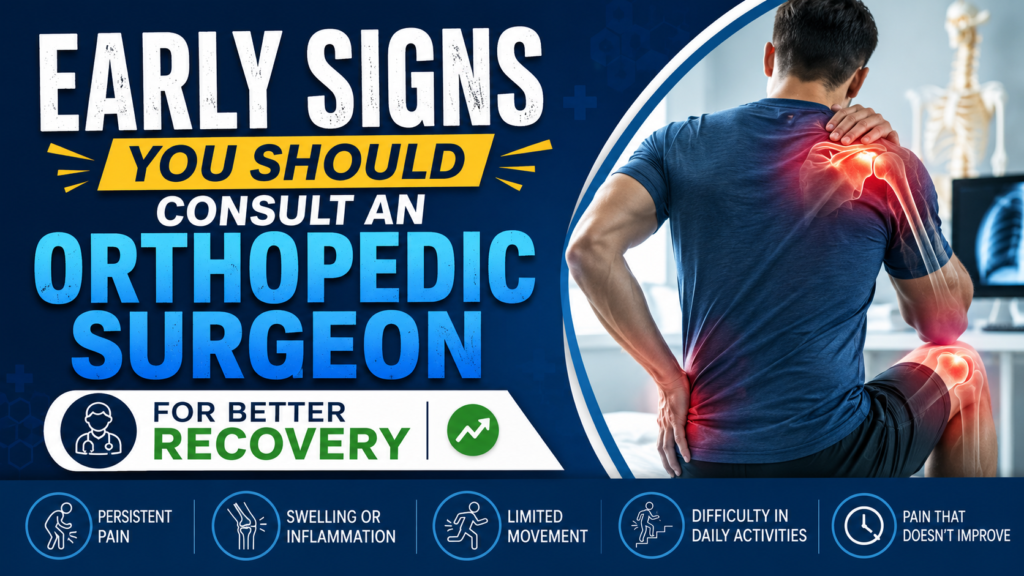
Muscle aches after exercise and minor joint discomfort are common, but persistent pain should never be ignored. Many people delay seeking medical care, assuming the problem will resolve on its own. Unfortunately, waiting too long can allow an injury or underlying condition to worsen, making recovery more difficult and time-consuming.
Knowing when to consult an orthopedic surgeon can make a significant difference in your recovery, mobility, and long-term joint health. Orthopedic specialists diagnose and treat conditions affecting bones, joints, muscles, ligaments, tendons, and the spine. Early intervention often leads to faster healing, fewer complications, and better treatment outcomes.
This guide explains the warning signs that deserve medical attention, practical steps you can take, and when specialist care becomes essential.
Why Early Orthopedic Evaluation Matters
Ignoring pain may seem harmless initially, but untreated orthopedic conditions can gradually limit your daily activities. Whether it’s a sports injury, age-related joint degeneration, or an unexpected fracture, receiving timely care helps prevent permanent damage.
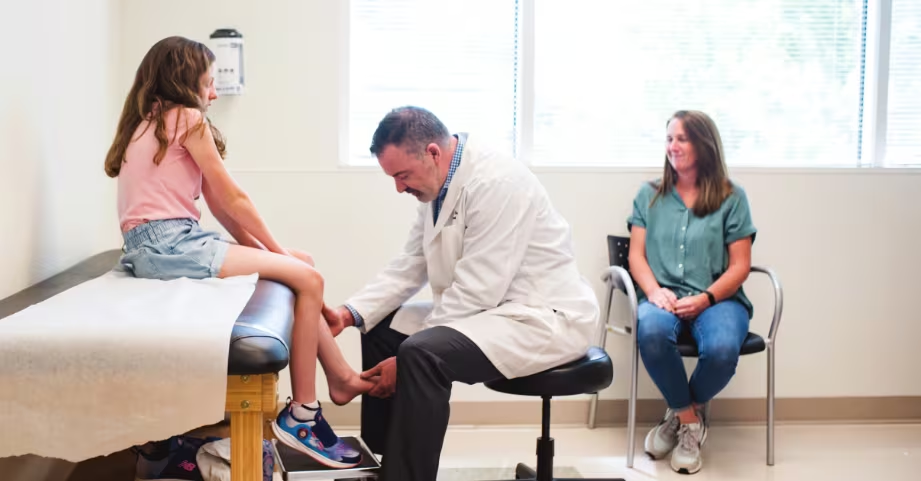
If symptoms continue despite rest, it is wise to consult an orthopedic surgeon before the condition progresses. Early diagnosis also opens the door to more conservative treatment options such as physiotherapy, medication, or minimally invasive procedures.
Early Signs You Should Never Ignore
1. Persistent Joint Pain
Pain lasting more than a few weeks is not considered normal. While occasional soreness may improve with rest, persistent discomfort often signals an underlying orthopedic issue.
This is particularly important if the pain:
- Worsens during movement
- Returns repeatedly
- Interrupts sleep
- Limits daily activities
Ignoring these symptoms may delay recovery and increase the risk of long-term joint damage.
2. Swelling That Does Not Improve
Swelling is the body’s natural response to injury. However, if swelling continues for several days or repeatedly returns without a clear reason, professional evaluation is recommended.
Long-lasting inflammation may indicate:
- Ligament injuries
- Tendon damage
- Arthritis
- Cartilage problems
- Joint infections
At this stage, many specialists recommend you consult an orthopedic surgeon to determine the exact cause through physical examination and imaging.
3. Difficulty Walking or Bearing Weight
Sudden difficulty standing, walking, or climbing stairs should never be ignored. Even if you can still move, reduced weight-bearing ability often indicates a more serious injury.
Common conditions include fractures, torn ligaments, severe sprains, or joint instability. Prompt treatment can prevent additional damage and support a smoother recovery.
Quick Symptom Guide
| Symptom | Possible Cause | Recommended Action |
|---|---|---|
| Persistent joint pain | Arthritis, cartilage injury | Schedule a specialist evaluation |
| Ongoing swelling | Ligament or tendon injury | Medical assessment |
| Limited movement | Joint inflammation or stiffness | Early diagnosis |
| Instability while walking | Ligament tear or fracture | Immediate orthopedic care |
| Numbness with pain | Nerve compression | Urgent medical consultation |
Reduced Range of Motion
Healthy joints should move comfortably through their normal range. If bending your knee, lifting your shoulder, or rotating your neck becomes difficult, the restriction should not be ignored.
Limited mobility can develop from:
- Frozen shoulder
- Arthritis
- Tendon injuries
- Joint inflammation
- Previous untreated trauma
Rather than forcing movement or relying solely on painkillers, it’s advisable to consult an orthopedic surgeon to identify the underlying problem and create a personalized treatment plan.
Pain That Keeps Returning
Recurring pain often signals that the root cause has never been properly treated. Temporary relief from medications does not necessarily mean the injury has healed.
For example, recurring knee discomfort may result from the common causes of knee pain, including ligament injuries, cartilage wear, tendon inflammation, or early osteoarthritis. Identifying the actual source allows treatment to target the condition instead of only masking symptoms.
Warning Signs After a Sports Injury
Athletes and active individuals frequently experience strains and sprains, but some injuries require immediate specialist care.
Watch for:
- A popping sound during injury
- Severe bruising
- Joint instability
- Persistent swelling
- Inability to continue activity
- Pain that worsens after 48 hours
Rather than returning to sports too early, it’s safer to consult an orthopedic surgeon for a complete evaluation and rehabilitation plan.
Numbness, Tingling, or Weakness
Pain accompanied by numbness or muscle weakness may involve nerve compression. Conditions affecting the spine, neck, or joints can place pressure on nearby nerves, resulting in symptoms that travel into the arms or legs.
Early diagnosis helps prevent permanent nerve damage and improves the likelihood of successful recovery.
Bone Injuries That Don’t Heal Properly
Even after an apparent fracture has healed, lingering pain, deformity, or reduced function may indicate incomplete healing.
Warning signs include:
- Persistent tenderness
- Visible deformity
- Difficulty using the affected limb
- Ongoing swelling
- Pain months after injury
These symptoms should never be dismissed, and you should consult an orthopedic surgeon if healing does not progress as expected.
Practical Steps Before Your Appointment
While waiting for professional evaluation, you can support recovery by following a few simple measures:
- Rest the affected area without complete inactivity unless advised.
- Apply ice during the first 48 hours for acute injuries.
- Elevate swollen limbs whenever possible.
- Avoid heavy lifting or high-impact exercise.
- Maintain a healthy weight to reduce joint stress.
- Follow prescribed medications only as directed.
These measures provide temporary relief but should never replace professional diagnosis when symptoms persist.
How to Keep Your Bones and Joints Healthy
Preventive care is just as important as treatment. Simple lifestyle habits can significantly reduce your risk of orthopedic problems.
To keep bones and joints healthy, consider:
- Regular strength and flexibility exercises
- A balanced diet rich in calcium and vitamin D
- Maintaining proper posture
- Wearing supportive footwear
- Warming up before exercise
- Avoiding repetitive overuse injuries
- Staying physically active throughout life
Healthy daily habits support stronger bones, improved mobility, and reduced injury risk.
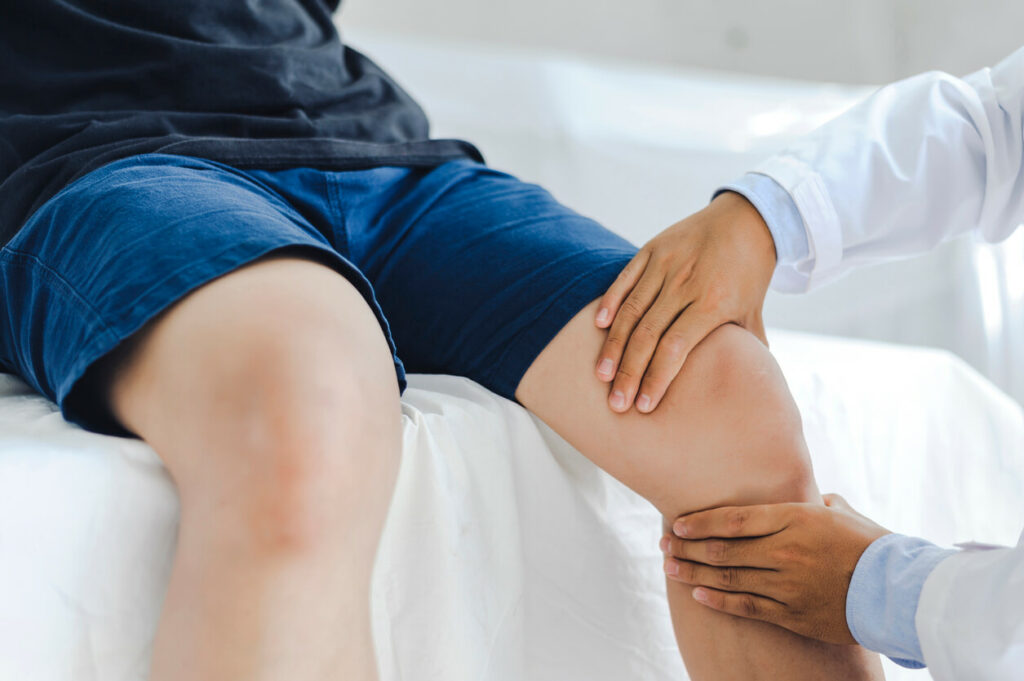
Choosing the Right Orthopedic Specialist
Finding an experienced orthopedic professional plays a major role in successful treatment. Look for specialists with expertise in your specific condition, access to advanced diagnostic technology, and a patient-focused treatment approach.
If you’re searching locally, many patients research the best orthopaedic surgeons in aligarh by reviewing qualifications, clinical experience, patient feedback, and hospital affiliations before making a decision.
You can also explore related resources on sports injury rehabilitation, arthritis management, fracture care, physiotherapy, and joint replacement to better understand your treatment options and recovery journey.
Quick Takeaways
- Persistent pain should never be ignored.
- Swelling lasting several days deserves medical evaluation.
- Difficulty walking may indicate serious injury.
- Limited mobility often signals underlying joint problems.
- Numbness or weakness requires prompt attention.
- Early diagnosis frequently reduces recovery time.
- Timely specialist care helps prevent long-term complications.
Final Thoughts
Your body often provides early warning signs before an orthopedic condition becomes severe. Persistent pain, swelling, stiffness, instability, or difficulty performing everyday activities should encourage you to consult an orthopedic surgeon instead of waiting for symptoms to disappear on their own.
Seeking expert care at the right time improves diagnosis, expands treatment options, and supports faster recovery. If discomfort continues despite rest or begins affecting your quality of life, don’t hesitate to consult an orthopedic surgeon.
Early action protects your mobility, helps restore function, and allows you to return to daily activities with greater confidence. Remember, choosing to consult an orthopedic surgeon at the earliest signs of trouble is one of the most effective steps you can take toward lasting musculoskeletal health.