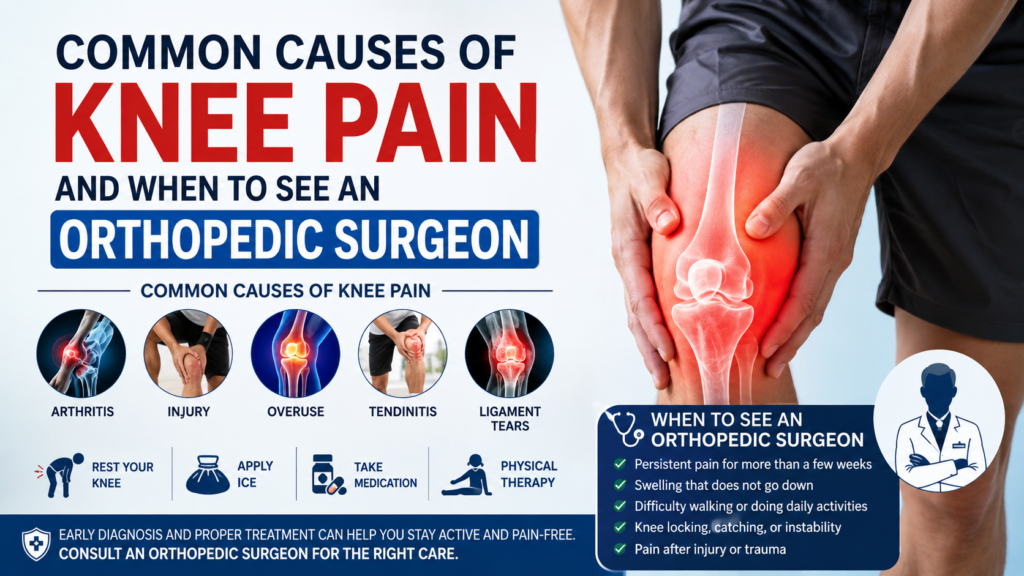
Knee Replacement Surgery: Benefits and Recovery in Aligarh

Knee Ligament Injury: Symptoms, Treatment, Recovery and Prevention
September 9, 2026
When Is Knee Replacement Surgery Necessary in Aligarh?
September 17, 2026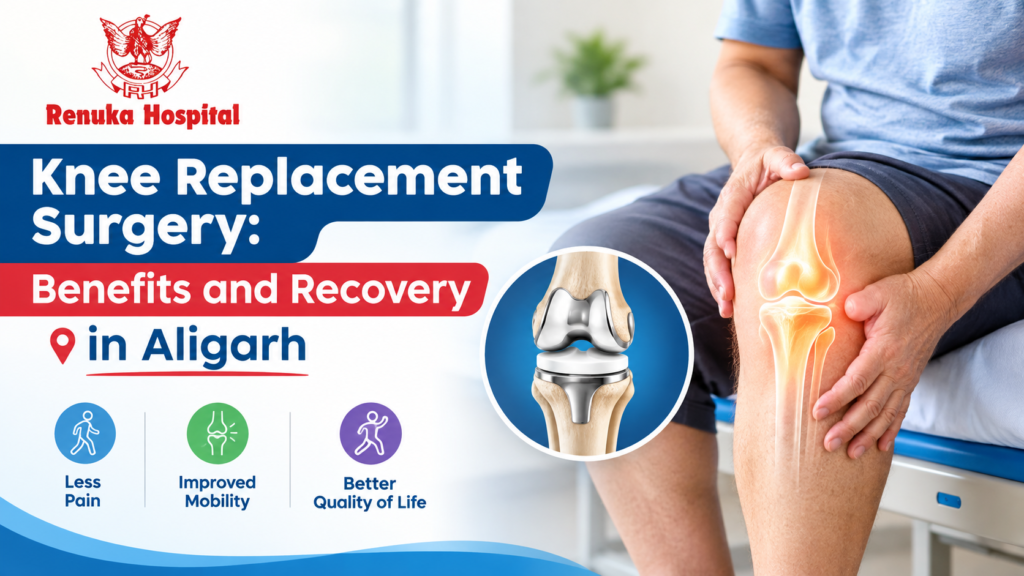
When persistent knee pain makes walking, climbing stairs, or daily activities difficult, knee replacement surgery may be considered after non-surgical treatments no longer provide enough relief. At Renuka Hospital Aligarh, patients can discuss symptoms, medical history, activity level, and treatment options with an experienced Orthopaedician in Aligarh.
The aim is not simply to replace a damaged joint, but to reduce pain, improve movement, and support a more active lifestyle. A thorough evaluation, appropriate imaging, and clear discussion of expectations are important before treatment is planned. Understanding benefits, recovery, risks, and preparation can help patients have a more informed conversation with their healthcare team.
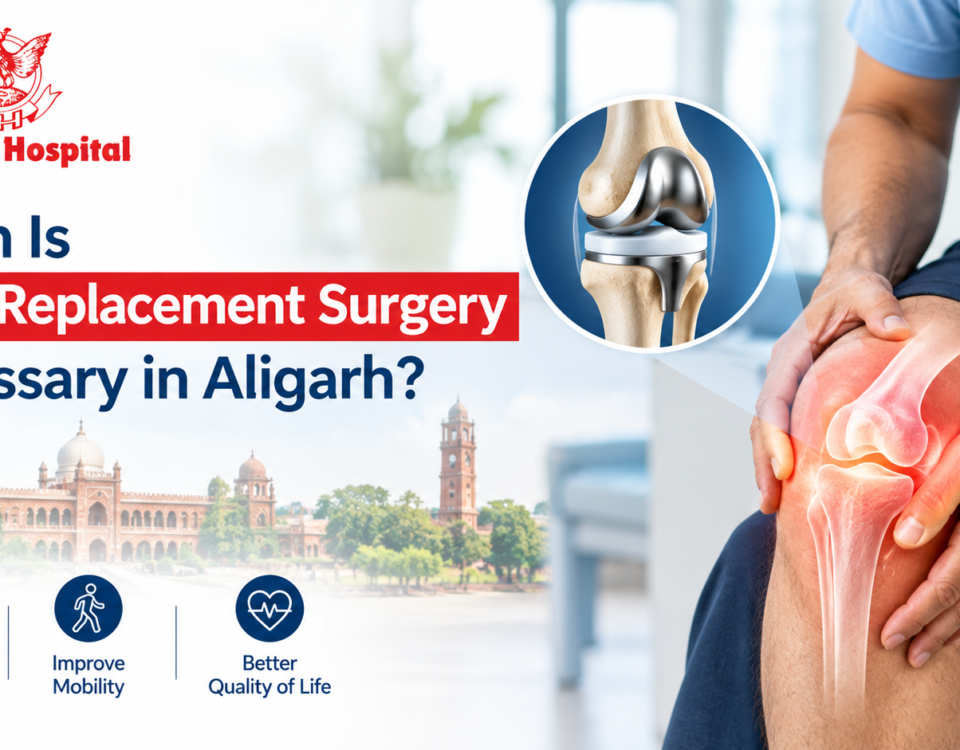
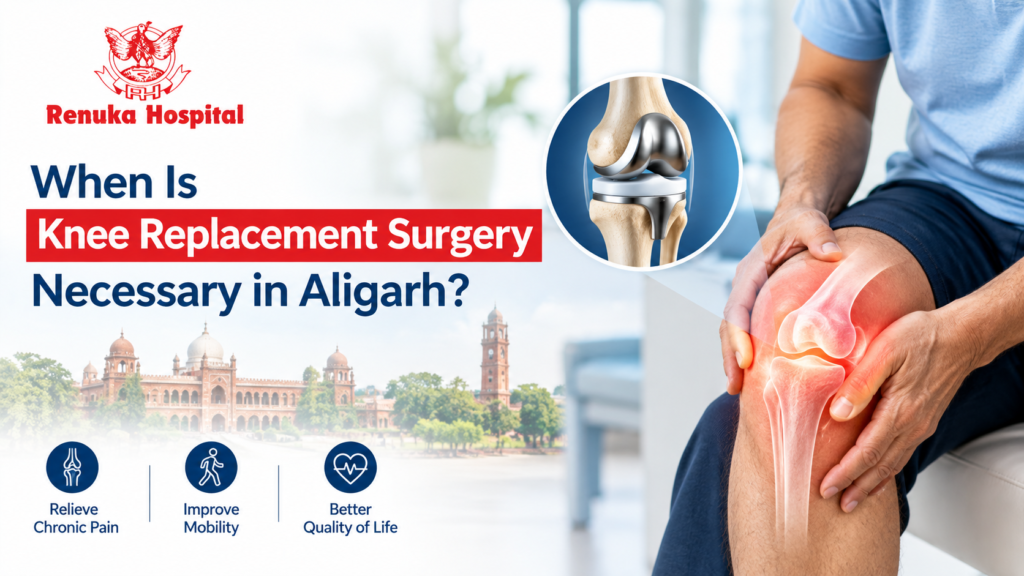
Knee replacement surgery involves removing damaged portions of the knee joint and replacing them with artificial components. It is commonly considered for advanced osteoarthritis and other conditions that cause persistent pain, stiffness, deformity, or reduced function.
The procedure may replace part or all of the knee joint, depending on the location and severity of damage. An orthopaedic specialist considers symptoms, examination findings, X-rays or other imaging, previous treatments, general health, and activity needs before recommending an appropriate approach.
People with advanced joint damage may experience pain while walking, difficulty standing, swelling, stiffness, or reduced mobility. When medicines, physiotherapy, activity modification, weight management, or injections do not provide adequate relief, surgery may become an option. Symptoms and their effect on daily life matter as much as imaging findings.
Key Benefits of Knee Replacement
One of the main benefits of knee replacement surgery is relief from pain caused by damaged joint surfaces. Many suitable patients also experience improved mobility and greater confidence with everyday activities after completing rehabilitation. Results vary according to health, muscle strength, rehabilitation, and the condition of surrounding tissues.
Another potential benefit is improved ability to perform suitable low-impact activities such as walking, swimming, or cycling. Patients should still follow their surgeon’s advice about exercise and avoid activities that place excessive stress on the replacement.
Better Mobility and Independence
Reducing severe joint pain can make tasks such as getting out of a chair, walking short distances, and using stairs easier. Improved movement may also help patients become more active within recommended limits.
Support for Long-Term Function
A successful replacement can provide durable improvement when patients follow rehabilitation guidance and maintain healthy habits. Keeping body weight within a healthy range, strengthening supporting muscles, and choosing appropriate activities can help support long-term function.
Recovery After Surgery
Recovery after knee replacement surgery happens in stages rather than overnight. Many patients begin assisted movement soon after the procedure, followed by exercises designed to restore strength, flexibility, balance, and walking ability. The pace of knee replacement recovery differs from person to person.
Factors such as age, muscle condition, surgical technique, other medical conditions, and participation in physiotherapy can influence progress. Patients should follow personalized milestones from their surgeon and physiotherapist instead of comparing their recovery with someone else’s.
Early Recovery
The early period usually focuses on pain control, safe movement, wound care, and gradually increasing activity. A walker or another mobility aid may be needed initially. Medication instructions, wound-care advice, and scheduled reviews should be followed carefully.
Building Strength and Movement
As healing progresses, physiotherapy focuses on knee movement, thigh strength, balance, and functional activities. Regular exercises are generally more useful than doing too much at once. Sudden increases in activity can increase swelling or discomfort.
Practical Recovery Tips
Before surgery, prepare your home by keeping frequently used items within easy reach and reducing fall hazards. Arrange help with cooking, shopping, bathing, and transportation during the initial recovery period if needed. Planning ahead can make daily activities easier while mobility is temporarily limited.
Follow the prescribed exercise program and gradually increase walking as advised. Adequate nutrition, hydration, sleep, and taking medicines exactly as prescribed can support recovery. Do not stop rehabilitation simply because pain has started to improve.
Regular follow-up is important because the medical team can assess healing, movement, pain, and progress. Contact the healthcare team promptly if there is increasing redness, wound drainage, fever, severe swelling, calf pain, chest pain, or sudden breathing difficulty.
Hospital and Treatment Considerations
Choosing the right hospital involves more than looking at the procedure itself. Assessment, surgical planning, infection-control practices, rehabilitation support, and follow-up all contribute to patient care. At Renuka Hospital Aligarh, patients can discuss diagnosis, treatment options, expected recovery, and rehabilitation planning with the orthopaedic care team.
Patients can ask about the surgeon’s experience with the proposed procedure, implant considerations, rehabilitation arrangements, possible complications, and support after discharge. Clear communication can help establish realistic expectations and make it easier to follow the recovery plan.
Preparing for Treatment
Before knee replacement surgery, the medical team may review blood tests, imaging, medicines, existing health conditions, and fitness for anaesthesia. Patients may be advised to manage conditions such as diabetes or high blood pressure and discuss medicines that could affect bleeding.
For people exploring knee pain treatment, strengthening the muscles around the knee before surgery may be recommended when medically appropriate. This preparation can help the body handle rehabilitation more effectively. A suitable knee joint replacement plan should always be based on individual assessment rather than a general timeline.
Risks and Warning Signs
Like any major operation, knee replacement surgery has possible risks, including infection, blood clots, bleeding, stiffness, nerve or blood-vessel injury, persistent pain, implant-related problems, and the need for further treatment. Individual risk depends on health status and other factors.
Quick Takeaways
The decision should be based on symptoms, examination findings, imaging, overall health, and previous treatment response. Rehabilitation is a major part of the outcome, not simply a final step. Patients should ask for a personalized recovery plan and understand warning signs before leaving the hospital.
Conclusion
Knee replacement surgery can help suitable patients manage severe knee pain and regain useful mobility when conservative treatments are no longer effective. At Renuka Hospital Aligarh, an individualized consultation can help patients understand potential benefits, risks, recovery requirements, and the treatment pathway that fits their condition and goals.
Patients considering knee pain treatment should discuss all available options before proceeding. A well-planned knee joint replacement can be supported by proper preparation, professional surgical care, and consistent rehabilitation.
FAQs
1. How long does knee replacement recovery take?
Recovery varies, but functional improvement generally develops over several weeks and continues with rehabilitation.
2. Is knee replacement surgery painful?
Some pain and swelling are expected after surgery, but prescribed pain management and rehabilitation can help patients progress safely.
3. When can I walk after surgery?
Many patients begin assisted walking soon after surgery, but timing depends on medical assessment and individual progress.
4. Is physiotherapy necessary after knee replacement surgery?
Yes. Physiotherapy helps restore movement, strength, balance, and functional ability.
5. How long can a knee joint replacement last?
Modern implants can provide long-term service, but longevity varies according to activity, implant factors, body weight, age, and individual health.